 Odi Productions
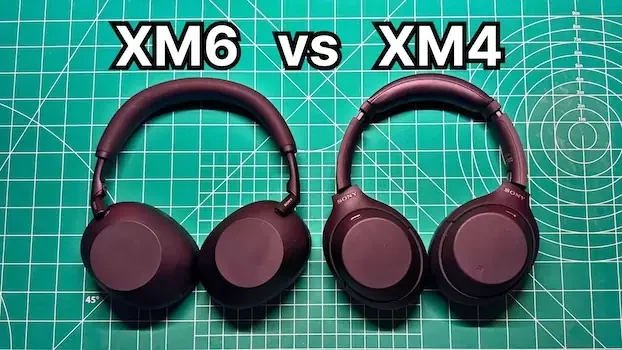
In this article, I’m going to share my HONEST experience with the Sony WH-1000XM6 vs WH-1000XM4 headphones and tell you which is better, after personally owning both products. I have thoroughly tested each of these headphones for hundreds of hours, and aim to offer a critical opinion from the perspective of an audiophile and professional music producer.
I’ll be comparing these two head to head on categories like price, comfort, features, battery life, noise cancelling performance, and sound quality.
Then at the end, I’ll share which is the best overall value for the money, and my overall recommendation on which you should buy.
I’ve also conducted a separate in-depth Sony WH-1000XM6 Review and Sony WH-1000XM4 Review, for those who are interested in reading more detailed thoughts about each headphone after. (Links open in a new tab.)
Sony WH-1000XM6 vs WH-1000XM4: The 30-Second Verdict
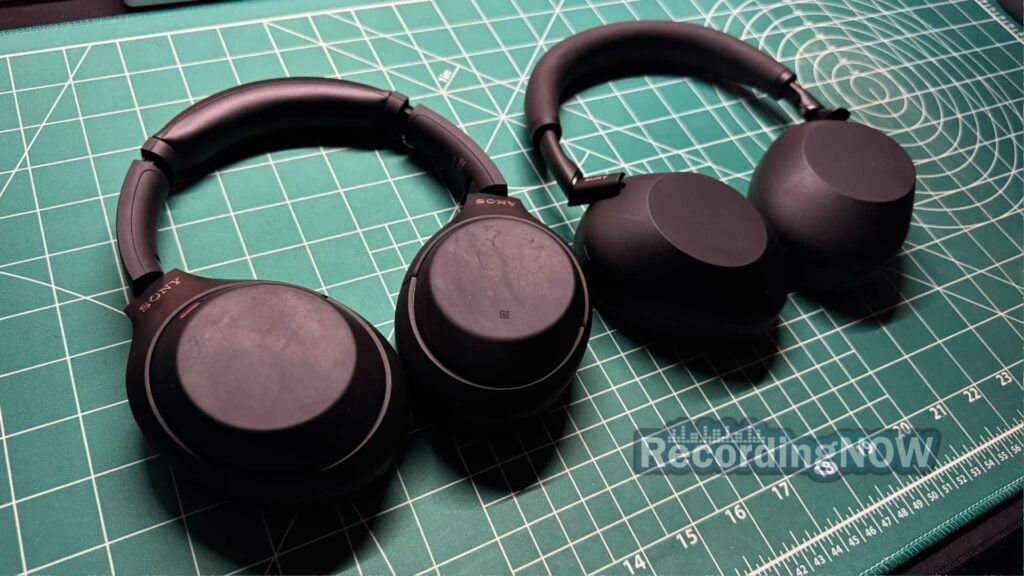
- Sony WH-1000XM6 has much improved sound quality and superior noise cancelling performance to the older XM4.
- Sony WH-1000XM4 has slightly better build quality and slightly better comfort due to less clamping force than the XM6.
- The Sony XM6 is about $200 more expensive than the older XM4, based on current market prices.
Watch the Full Comparison on YouTube!
Have any QUESTIONS for me?
Leave it in the YouTube COMMENTS and I’ll do my best to get back to you 🙂
Price Comparison
Sony WH-1000XM6 Prices

Save money with RENEWED!

Sony WH-1000XM4 Prices

Disclosure: These affiliate links may provide a discount and in return, give us a commission in order to keep this website 100% independent to ensure honest unfiltered reviews 🙂
Comfort, Fit, and Design
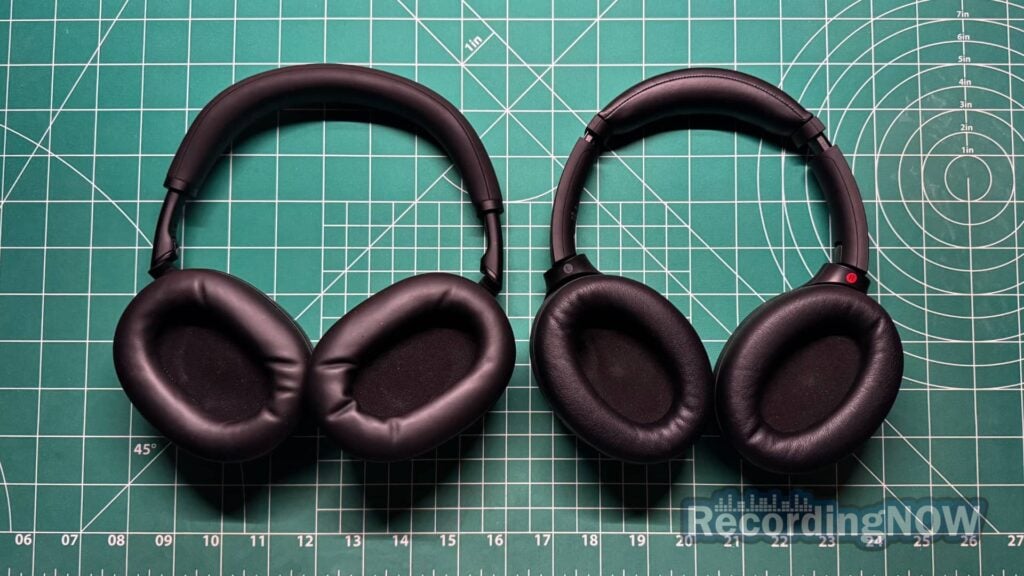
On my scale, the Sony XM4 is 1.2 grams lighter than the newer XM6:
- Sony WH-1000XM6 weight: 252.8 grams
- Sony WH-1000XM4 weight: 251.6 grams
Both of these headphones are two of the lightest in this wireless over-ear noise cancelling class.
If I had to lean towards one being slightly more comfortable, I’d pick the older XM4 actually.
The XM4 has less clamping force, but the headband cushion is on the harder side so I do feel a bit of top of head pressure.
Also, the interior earcup space is small so my ears are slightly touching the fabric inside.
The XM6 has a lot of clamping force from the factory, a lack of cushioning, and less interior earcup space, so my ears are pressing against the fabric inside.
Sony improved the headband design over the XM5 so it has less top of head pressure than before.
That said, I expect the clamping force to loosen up over time like the previous-generation XM5. After this, the XM6 should settle into being one of the more comfortable headphones in its class, due to its light weight.
Both have cheaper-feeling cushions that could be more supportive, especially the XM4’s headband cushion.
Overall, these are two of the more comfortable headphones in this class due to their light weight, but not quite perfect.
Sony WH-1000XM6 Comfort: 8.5 out of 10
Sony WH-1000XM4 Comfort: 9.5 out of 10
Winner: Sony WH-1000XM4
Features / Battery Life / Build Quality / Practicality
Features
These are both modern headphones with roughly the same features such as built-in microphones for calls, Active Noise Cancelling, and Transparency Mode.
But one feature I love about the Sony XM6 is a new “Cinema Mode” that adds its own spatial audio effect that is perfect for watching movies, TV, and even just YouTube.
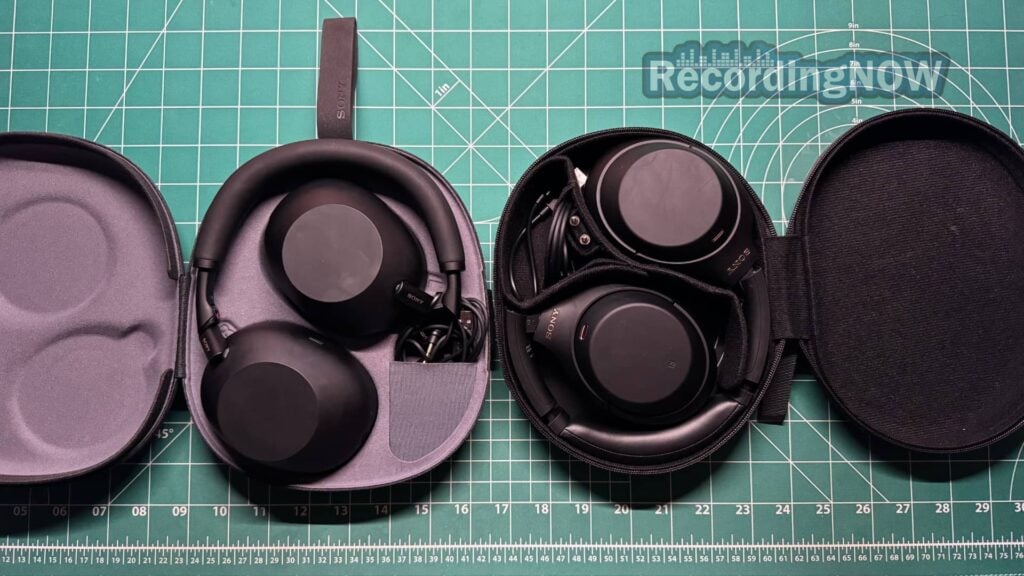
Both the XM6 and XM4 fold and collapse into compact hardshell cases that are close to the same size, and both smaller than the XM5 which doesn’t fold.
Looks
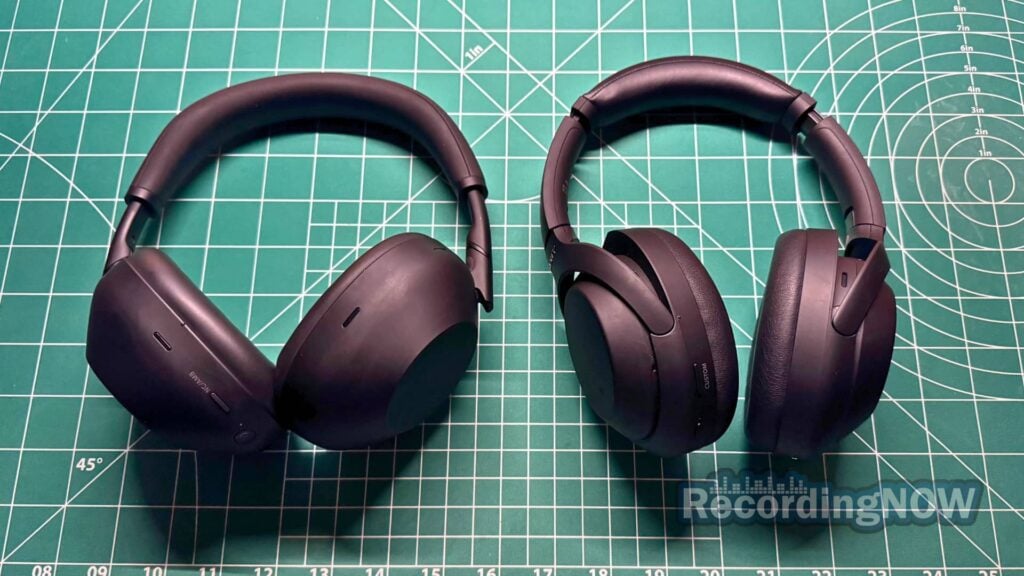
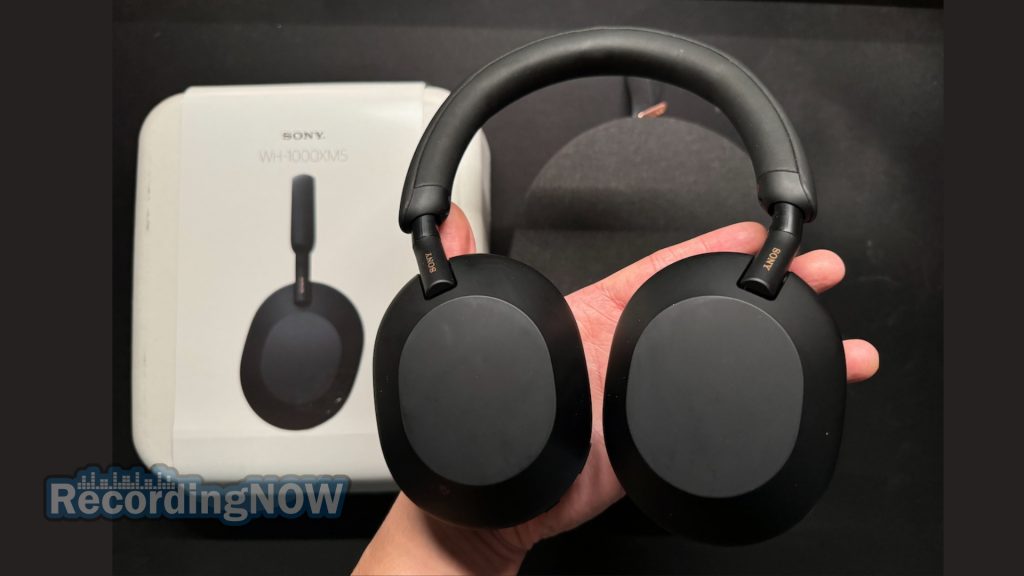
I actually prefer the look of the XM4 which is a bit more proportionate than the blockier XM6.
The XM4 is more of a classic-looking headphone, and has better lines that flow well.
The XM6 is much like the XM5, big bulky earcups matched with a skinnier headband.
I do like the available colorways for the XM6.
Battery Life
The Sony XM6 has about the same battery life as the XM4 on a single charge and with ANC on.
- Sony WH-1000XM6 Battery Life: Up to 30 hours (with ANC on), 40 hours (ANC off)
- Sony WH-1000XM4 Battery Life: Up to 30 hours
In my testing, I found both of these manufacturer’s battery ratings to be accurate.
It’s worth noting that the XM6 can actually get up to 40 hours of battery life with ANC set to OFF.
These figures are about average for the class, but both are overshadowed by the Sennheiser Momentum 4 at 60 hours.
Build Quality
Between the two, I actually find the older XM4 to have the slightly better and more confidence-inspiring build quality.
It has a metal headband and the hinges seem better designed than the newer XM6 and XM5.
The Sony XM6 feels very similar and plasticky to the XM5, with a slight upgrade to the hinges with the addition of a small aluminum piece that is supposed to reinforce them, hopefully fixing the “broken hinge issue” of the XM5.
Neither headphone feels particularly premium compared to something like the AirPods Max, but the XM6’s build quality is especially disappointing for its pricetag.
Practicality
Both the Sony XM6 and XM4 make for great daily drivers due to their light weight, compact foldable design, and strong noise cancelling performance.
I give a slight edge to the XM6 due to the stronger noise cancelling performance and advanced Spatial Audio in “Cinema Mode” that is excellent for TV shows, movies, and gaming.
Sony WH-1000XM6 Features / Battery Life / Build Quality / Practicality: 9.0 out of 10
Sony WH-1000XM4 Features / Battery Life / Build Quality / Practicality: 8.5 out of 10
Winner: Sony WH-1000XM6
Active Noise Cancelling (ANC) Performance
Being 2 generations newer, the XM6 naturally has the more effective active noise cancelling performance compared to the older XM4.
But to my surprise, the Sony XM4’s noise cancelling still holds up nicely today, even when compared to the XM6.
That said, the XM6 has more noise cancelling strength and consistency over the XM4.
In my testing, I think it’s more of an incremental 10% improvement from the XM5 to the XM6, which would still make the best in the world even better.
Where the XM6 makes a bigger leap is in a much improved Transparency mode over the muffled XM4 and XM5.
What I like most about the XM4 and XM6’s noise cancelling performance is its consistency with lack of “intrusive” side effects like hiss, white noise, or a “pressurized” feeling that I get with other ANC headphones.
If you prioritize having the best noise cancelling available today, it might be worth springing for the new and improved XM6.
Sony WH-1000XM6 Noise Cancelling Performance: 10 out of 10
Sony WH-1000XM4 Noise Cancelling Performance: 8.5 out of 10
Winner: Sony WH-1000XM6
Sound Quality
On the Stock Sound…
I actually like the warm and balanced stock sound profile of the XM4, but the XM6 is in another level of fidelity altogether.
The XM6 has a pleasing stock sound profile, more neutral and balanced than the XM5 or XM4, with present bass, mids, and treble detail.
In addition to a more pleasing tonality, the XM6 takes resolution, separation, and layering to new heights that the XM5 and XM4 couldn’t reach, even with EQ.
There’s a wider soundstage on the XM6 versus the more compressed and intimate soundstage of the XM5.
Speaking of EQ, the new XM6 comes with a new and improved 10-band EQ, over the 5-band EQ of the older XM4 (and XM5).
The new 10-band EQ leads to even more versatility than previously before, and makes a welcome difference for the XM6.
Luckily, even the 5-band EQ makes a noticeable difference for the XM4 to improve it as well.
The rest of this comparison will be using the EQ settings linked below.
Also, both the XM6 and XM4 supports the hi-res codec of LDAC (developed by Sony), leading to higher sound quality potential on paper.
To conduct this test, I used my Questyle QCC Dongle Pro to unlock aptX and LDAC support:
![Questyle QCC Dongle Pro2 [MFi Certified] USB-C Bluetooth Audio Adapter with LDAC, LHDC, aptX Lossless & aptX-Adaptive, Auracast](https://m.media-amazon.com/images/I/21jT-Cm5ZVL._SL500_.jpg)
If you’re an iPhone user, or if your phone doesn’t support aptX codecs, then I highly recommend you pick up the dongle above which will cover both LDAC and aptX Adaptive high-res codecs. It’s the only one of its kind that supports both, to my knowledge.
Links to Latest Equalizer Settings
Links open in a new tab. Scroll down to the “Sound Quality” portion to see the settings.
Comparing Sound Quality After EQ…
I could listen to both of these headphones stock, but EQ really does elevate them to fix their weaknesses and improve the overall listening experience.
The XM4’s biggest flaw is a harsh sibilance that limits its potential for treble detail, and has to be smoothened out via EQ.
In contrast, the XM6 is able to extract more detail without being as harsh, but surprisingly also struggles with taming some of its sibilance, although not as bad as the XM4.
In the rest of the frequency spectrum, the XM6 is more impressive with its cleaner bass response and fuller mids.
I think the XM4 is a perfectly enjoyable headphone for the average consumer, but I don’t think this comparison is close when we factor in the audiophile technicalities.
The XM6’s wider soundstage and clearer separation and layering simply make it a more audiophile headphone over the rather-compressed and limited XM4.
Add in the new and improved 10-band EQ, and the XM6 is able to not only have superior sound quality down to the core, but more flexibility and versatility for fine-tuning to specific genres over the XM4.
One last note for sound quality, the new “Cinema Mode” on the XM6 is a pleasure to use for media OTHER than music, and I genuinely enjoy using it for movies, TV, podcasts, and YouTube.
Sony WH-1000XM6 Sound Quality: 8.7 out of 10
Sony WH-1000XM4 Sound Quality: 8.0 out of 10
Winner: Sony WH-1000XM6
Value
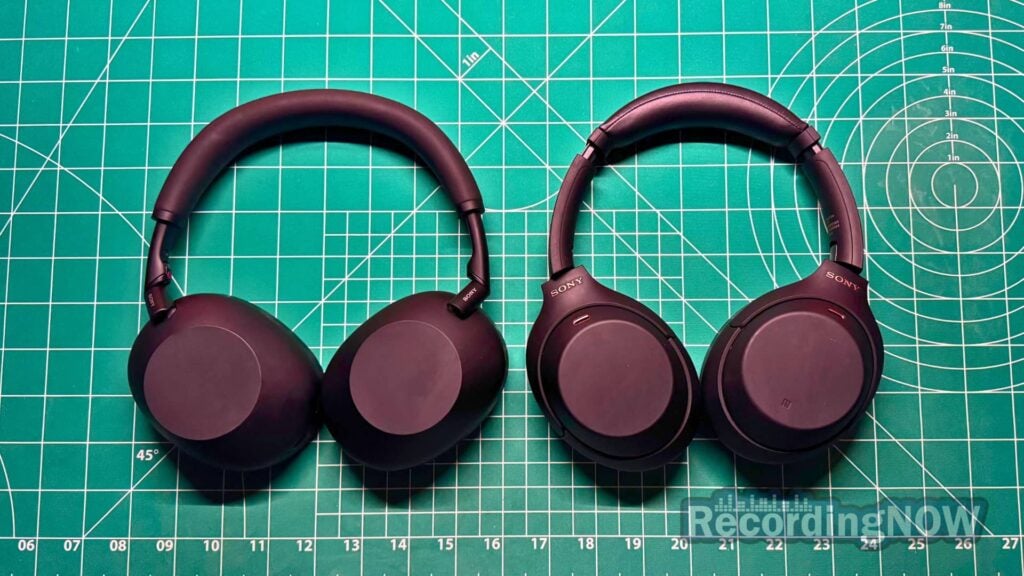
At the time of this writing, the Sony WH-1000XM6 retails for $449.99, with the older Sony WH-1000XM4 retailing at $348.
Based on current market prices, the newer XM6 can be over $200 more expensive than the XM4, which can be found for under $250 brand new.
This is a tricky one, as I personally think the XM4 should actually cost even less than its current market price considering it’s now 2 generations old, and this price is too close to excellent contenders like the Sennheiser Momentum 4, Cambridge Audio P100, and Bose QuietComfort 2023.
But I’ll admit that the XM4 is still a solid overall headphone with competitive active noise cancelling even by today’s standards.
On the other hand, I find the XM6 to be superior to the XM4 in almost every way, and think it does a fair job justifying its $200 premium over the dated XM4.
So when it comes to value, I think it’s actually a tie here, as both headphones are priced pretty accurately for what you’re getting.
Sony WH-1000XM6 Value: 8.0 out of 5
Sony WH-1000XM4 Value: 9.5 out of 10
Winner: Sony WH-1000XM4
Sony WH-1000XM6 Overall Rating

- Excellent sound quality after EQ
- Best noise cancelling available
- Lightweight
- Hinge issue has been improved
- Clamping force
- Small interior earcup space
- Sibilance without EQ
- Smaller soundstage
Sony WH-1000XM4 Overall Rating

- Great noise cancelling performance
- Very comfortable
- Good sound quality
- 30 hours battery life
- Slightly muddy upper bass & lower mids
- Needs more sub-bass extension
- Intimate soundstage lacks width and depth
- Still somewhat expensive
Overall Winner: Sony WH-1000XM6
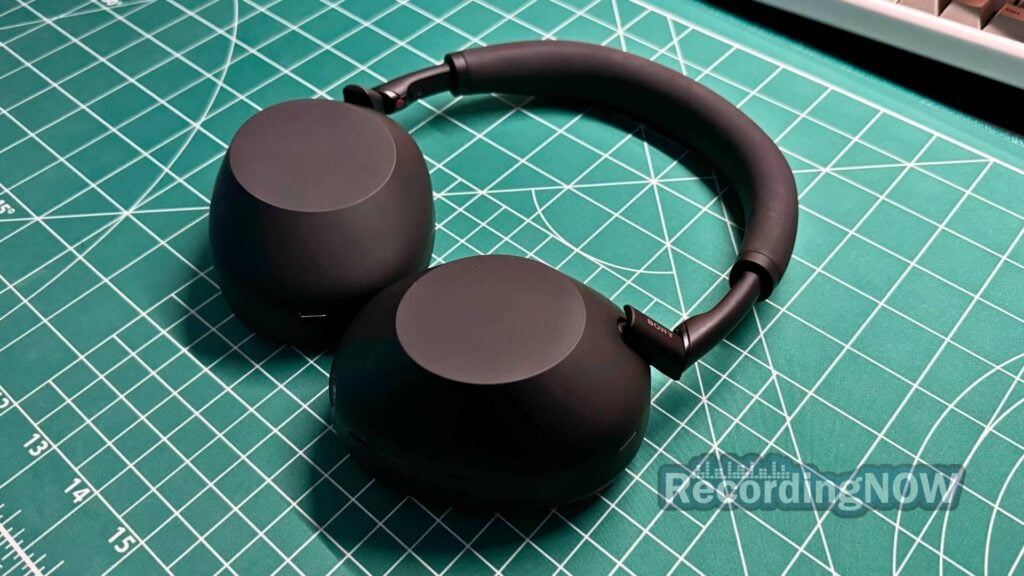
The previous generation XM5 was much closer in competition to the XM4, but the newer XM6 starts to truly separate itself from both the XM4 and XM5, in my opinion.
I find the XM6 to easily be the best WH-1000 series headphone from Sony to date, primarily due to the improvements in sound quality, but also continuing to improve upon its world-class noise cancelling performance, while maintaining the lightweight comfort we’ve come to expect of this series.
Personally, I would pay the premium to get the XM6 over the XM4 or XM5, because it is actually the first in the series to reach that audiophile-level threshold of sound quality for me.
That said, the XM4 still has decently effective noise cancelling, and would be worth a look as more Renewed and Used examples are hitting the market due to its age.
Some compelling alternatives that are around the same price to the XM4 would be the Sony ULT Wear, Sennheiser Momentum 4, Cambridge Audio P100, Bowers & Wilkins Px7 S2e, and Bose QuietComfort 2023.
Some very Strong Alternatives in this class of noise cancelling headphones are:
- Apple AirPods Max 2
- Bose QuietComfort Ultra 2
- Sony 1000X THE COLLEXION
- Sennheiser Momentum 5
- Sony WH-1000XM5
- Bose QuietComfort Ultra
- Bowers and Wilkins Px7 S3
- Apple AirPods Max
- Sennheiser Momentum 4
- Bowers and Wilkins Px8
- Bowers & Wilkins Px7 S2e
- Sonos Ace
- Bose QuietComfort (2023 model)
- Beats Studio Pro
- Sony ULT Wear
Some Relevant Comparisons in this class of noise cancelling headphones are:
- Sony WH-1000XM6 vs WH-1000XM5
- Sony WH-1000XM4 vs WH-1000XM5
- Sony WH-1000XM6 vs Bose QuietComfort Ultra
- Sony WH-1000XM6 vs AirPods Max
- Sony WH-1000XM6 vs Bowers and Wilkins Px7 S3
- Sony WH-1000XM6 vs Sennheiser Momentum 4
I highly recommend you check those out next!
Lastly, if you’d like to save some money and keep supporting RecordingNOW.com’s 100% independent, unbiased reviews, do consider using some of our affiliate links below to shop and even just compare prices. We purchase all products we review with our own money to maintain the highest level of integrity, and your support goes into that plus a continuously improving site experience.
Order Here for the LOWEST PRICE AVAILABLE (Do NOT pay retail):
Save money with RENEWED!
Disclosure: These affiliate links may provide a discount and in return, give us a commission in order to keep this website 100% independent to ensure honest unfiltered reviews 🙂
How We Tested and Our Methodology
RecordingNOW.com is a 100% independent publisher with over 10 years of experience testing and reviewing consumer electronics and headphones.
We currently purchase all of the products we test with our own money, and are not paid by any company or manufacturer to influence our opinions or decisions.
After purchasing the product, we conduct up to hundreds of hours of detailed hands-on testing in a controlled, acoustically-treated environment. Noise cancelling performance is tested in the real-world, primarily on airplane flights, coffee shops, and walking around large metropolitan city environments.
ODi Productions is our resident expert and author of this article, with 10 years of experience as a professional music producer, audio engineer, musician, tech journalist, and audiophile.
Post Update History
- July 2026: Updated scores to “Version 2.0” of our Headphone Scoring System. Added long-term thoughts such as the XM4 being officially discontinued. Updated prices to 2026 market prices and adjusted Value scores accordingly.
- June 2025: Original publication date.
Read Next
Best Wireless Noise Cancelling Headphones (50+ Tested!)

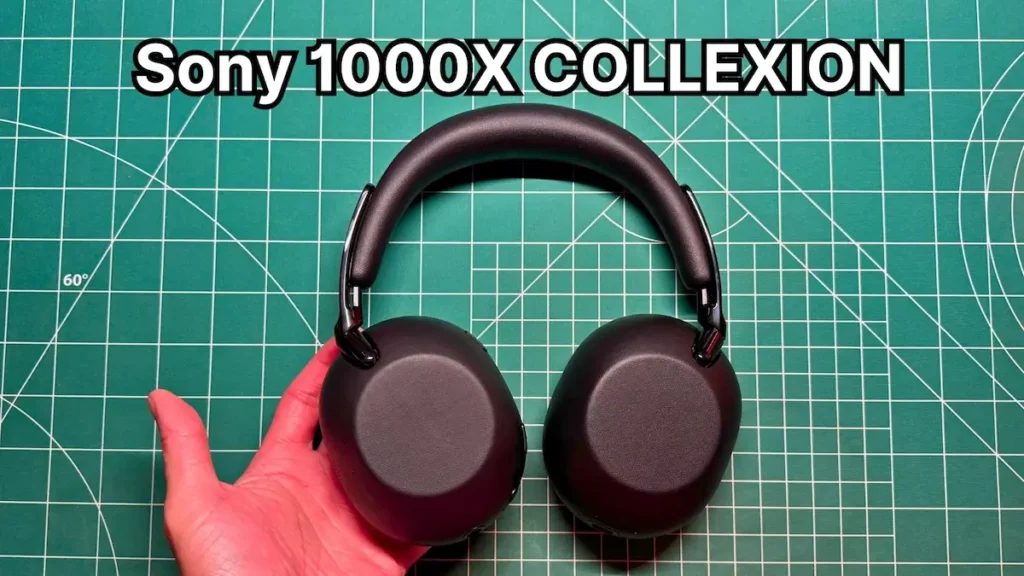
Sony 1000X THE COLLEXION Review
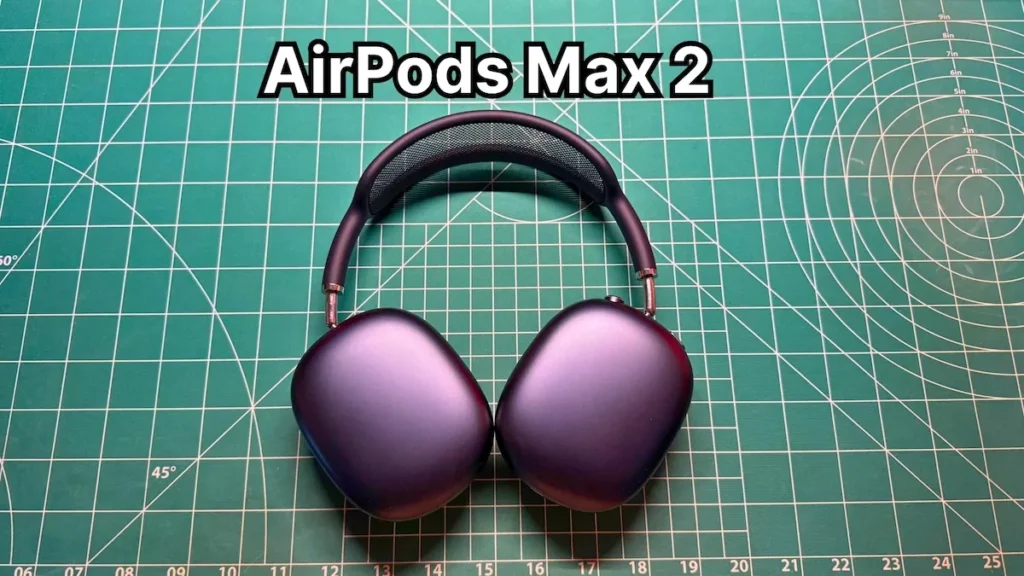
AirPods Max 2 vs Sony WH-1000XM6
Bose QuietComfort Ultra 2 Review


Bose QuietComfort Ultra (1st Gen) Review

Apple AirPods Max (1st Gen USB-C) Review

Bowers and Wilkins Px7 S3 Review


Bowers and Wilkins Px7 S2e Review

Bose QuietComfort Review (2023 Model)