 Odi Productions
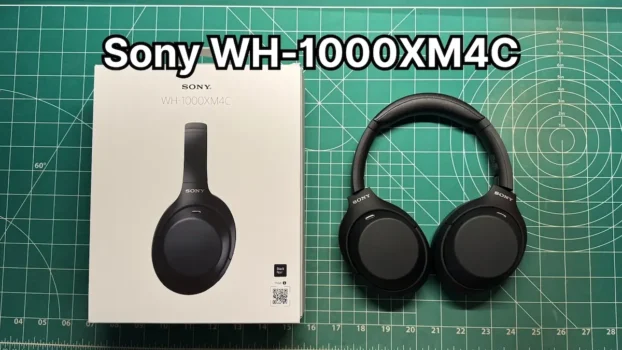
In this article, I’m going to share my HONEST Sony WH-1000XM4C review for those who are wondering whether they are WORTH IT. I’ll also be comparing the Sony WH-1000XM4C vs XM4, WH-1000XM5, WH-1000XM6, Bose QuietComfort 2, Beats 360, AirPods Max 2, and more!
I’m going to do my best to share whether these headphones are worth it, and ideally who these headphones are for. I bought these headphones with my own money, and was NOT sponsored, paid, or received a free copy for review. All thoughts are my own.
I’ll be sharing my critical opinion with 10 years of experience as a professional music producer, audio engineer, and tech journalist. I also run the RecordingNow YouTube channel with over 25,000+ subscribers and over 5 million views.
Let’s dive right in!
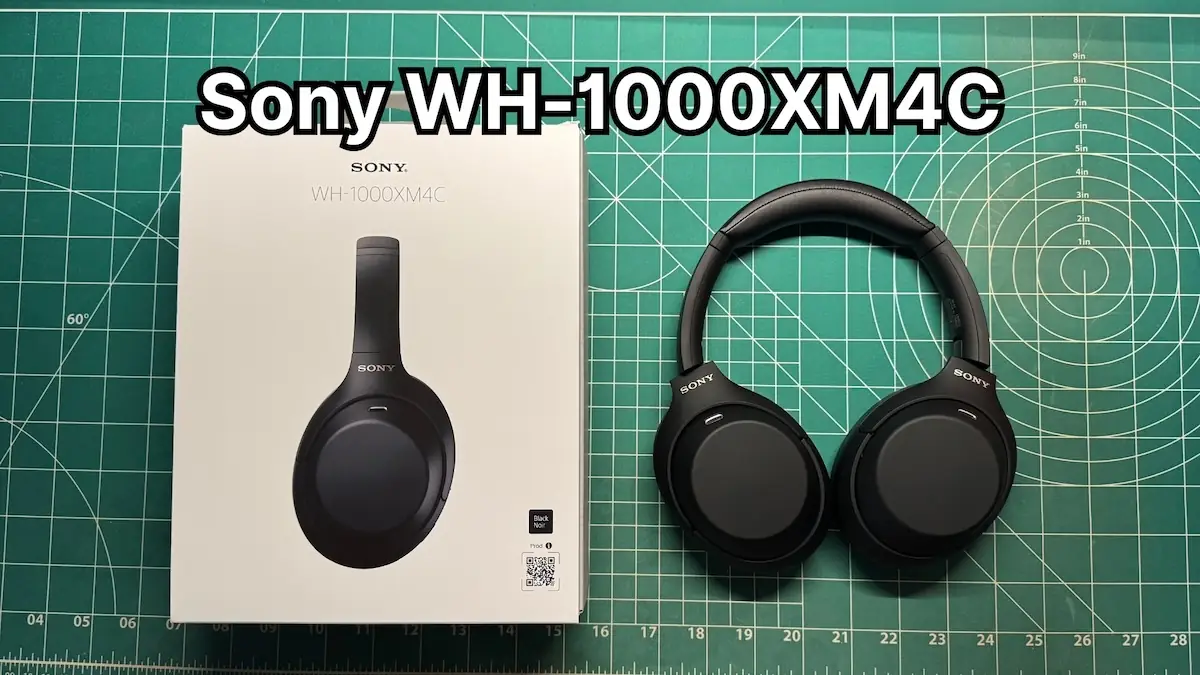
Sony WH-1000XM4C 2nd Gen Headphones review in short
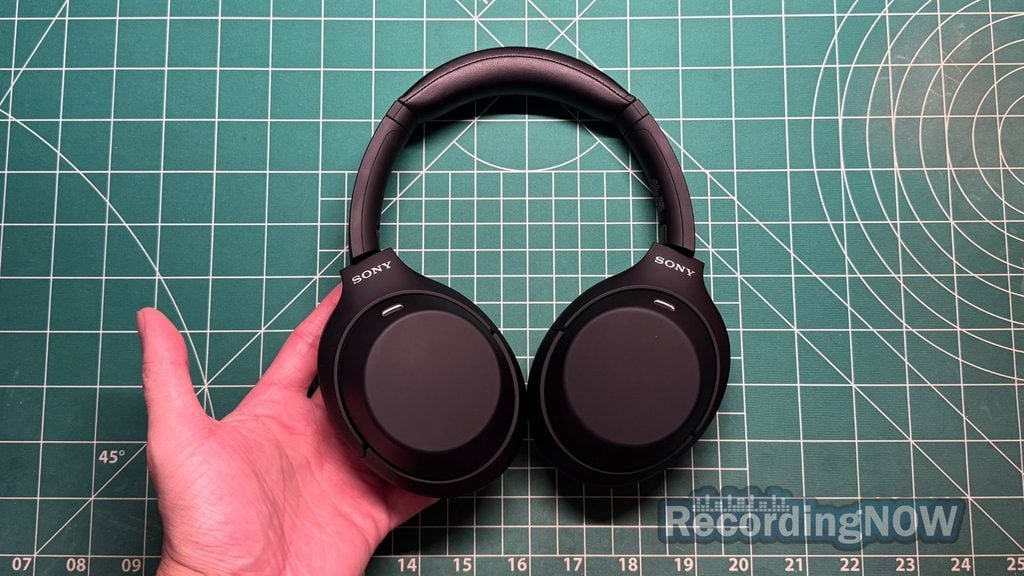
The Sony WH-1000XM4C is a modern refresh of the proven best-selling classic Sony WH-1000XM4, rather than a complete overhaul. It’s arguably the strongest overall headphone under $300 for its lightweight comfort, strong noise cancelling, very good sound quality, and portability. Competes with the Sony WH-1000XM6, Sony WH-1000XM5, Bose QuietComfort 2, Beats 360, Sennheiser Momentum 4, Nothing Headphone 1, Apple AirPods Max 2, Bose QuietComfort Ultra 2, Sennheiser Momentum 5, and Sonos Ace.
Watch this Full Review on YouTube!
Have any QUESTIONS for me?
Leave it in the YouTube COMMENTS and I’ll do my best to get back to you 🙂
Pros and Cons
- Elite comfort
- Improved noise cancelling performance
- Improved sound quality
- Very compact design
- No Spatial Audio
- Battery life is slightly below average
Order the LATEST VERSION for the LOWEST PRICE AVAILABLE (Do NOT pay retail):

Disclosure: These affiliate links may provide a discount and in return, give us a commission in order to keep this website 100% independent to ensure honest unfiltered reviews 🙂
Sound Quality
Full Sound Quality Test
Starting with the technicals, the Sony WH-1000XM4C supports the hi-res codec of LDAC along with a newly-expanded 10-band EQ.
Most modern Android smartphones support LDAC out of the box, but iPhone users will need a dongle like the one below to experience the XM4C in its fullest sound quality.
To conduct this test, I used my Questyle QCC Dongle Pro 2 to unlock aptX and LDAC support:
![Questyle QCC Dongle Pro2 [MFi Certified] USB-C Bluetooth Audio Adapter with LDAC, LHDC, aptX Lossless & aptX-Adaptive, Auracast](https://m.media-amazon.com/images/I/21jT-Cm5ZVL._SL500_.jpg)
If you’re an iPhone user, or if your phone doesn’t support aptX codecs, then I highly recommend you pick up the dongle above which will cover both LDAC and aptX Lossless/Adaptive high-res codecs. It’s the only one of its kind that supports both, to my knowledge.
With the technicals out of the way, how does the XM4C sound?
In short, very good. And noticeably improved over the original XM4.
The original XM4 is actually the most pleasingly-tuned of the WH-1000 series, with its warm and bassy sound profile.
Many people complain about the “muddiness” of the XM5 and XM6, myself included.
Now, the newer XM4C is actually tuned slightly differently from the original due to a change in DSP and tweaked headphone amp, while mostly retaining the same driver architecture.
In contrast, the XM4C has a more vocal-forward and detailed sound, while retaining that satisfying bass response on the low end.
Although I do enjoy the original XM4, I think the XM4C sounds significantly better due to higher resolution and a more balanced tonality.
The XM4C has an exciting, slightly consumer-friendly sound with a really nice sub-bass response paired with crisp treble.
Some small critiques I have are that the soundstage is rather intimate and narrow, and the mids are a bit recessed, leading to less realistic timbre for certain instruments and male vocals.
Other than that, the XM4C excels for modern bass-heavy music genres like Pop, Hip Hop, and EDM, but is also still satisfying for real instruments like Rock and Metal.
I just wouldn’t choose them if you prefer a warmer sound signature that is more neutral and more mids-focused.
Sound Quality Comparisons
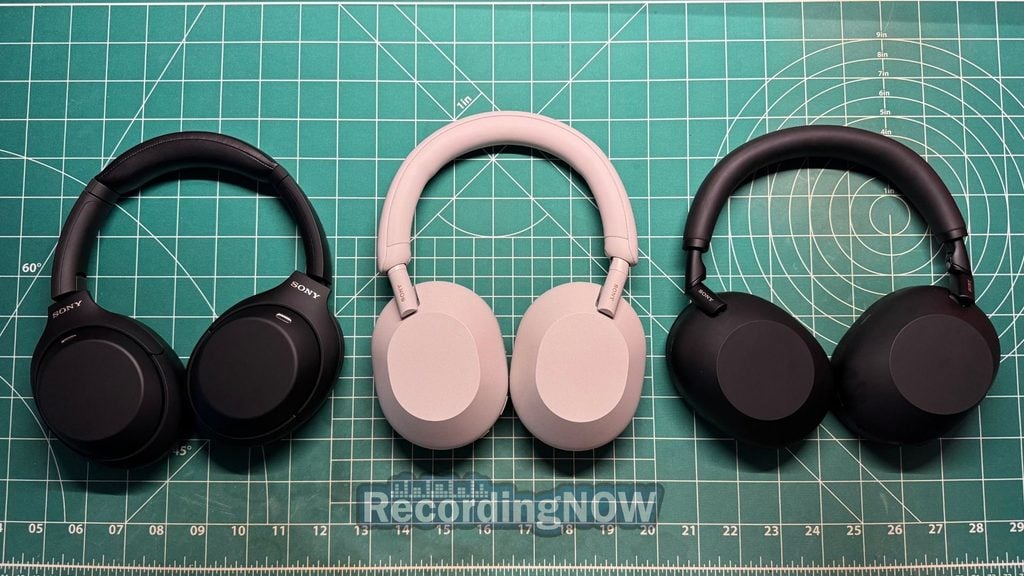
vs Sony WH-1000XM6
The more expensive flagship WH-1000XM6 and this newer mid-tier WH-1000XM4C are surprisingly pretty close in sound quality, especially out of the box.
The XM4C is tuned in a way that would be favored by most consumers, as it sounds more exciting and “fun” than the XM6’s warmer neutral dark sound signature.
To get the most out of the XM6, you have to listen in LDAC and apply the 10-band EQ to “open” them up nicely, and then the XM6 sounds pretty decent.
The XM4C sounds better without EQ, but does not exceed the XM6’s technical sound quality potential.
I actually have both of these at the same sound quality potential, but slightly prefer the XM4C out of the box with no EQ and no LDAC.
vs Sony WH-1000XM5
Although I preferred the original XM4 over the XM5 stock, the XM5 actually has the higher technical sound quality after applying EQ and listening in LDAC.
But now that the XM4 has been reworked in the XM4C, the pendulum swings back towards the XM4C over the XM5 for me.
The XM5’s stock sound is really underwhelming, and similar to the XM6, requires major EQ and listening in LDAC to fully “open” them up and not sound so muffled and congested.
The XM4C simply sounds great out of the box, and slightly better with LDAC.
Bottomline, the XM4C is the more consumer-friendly and pleasing-sounding headphone over the XM5.
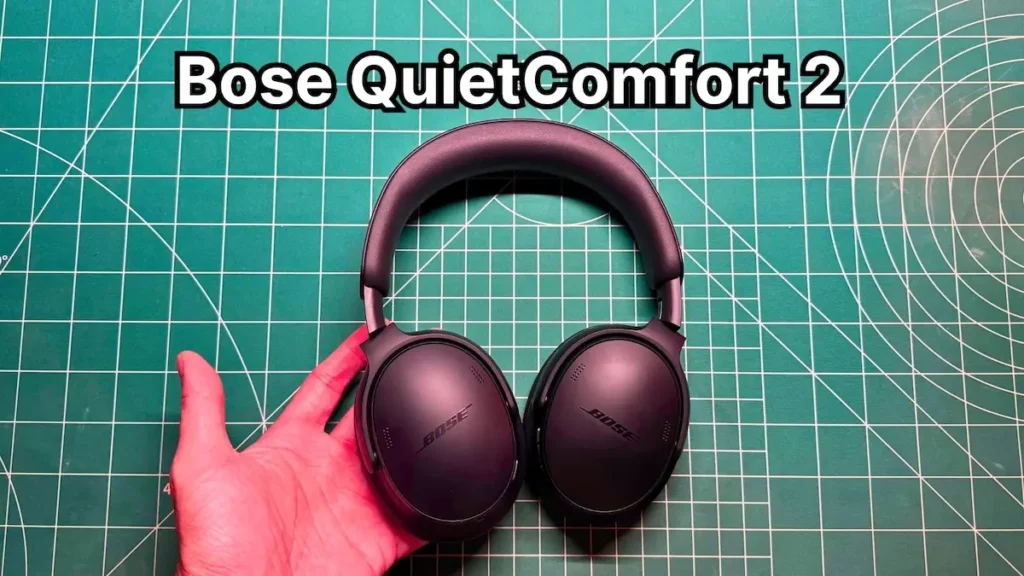
vs Bose QuietComfort 2
On paper, I was expecting the XM4C to sound slightly better than the Bose QuietComfort 2nd Gen due to hi-res codec support, which the Bose lacks.
To my surprise, the Bose QuietComfort 2 sounds just as good as the XM4C, if not better.
Both headphones have some of the most satisfying bass response and sub-bass in the class.
The Sony XM4C is the more consumer-friendly tuning, while the Bose is surprisingly neutral and richer mids.
The Bose is the more “audiophile” tuning, which is why I gravitate towards it, but less “exciting” and “fun” than the stock XM4C tuning.
Aside from that, the Bose has the larger and more open soundstage with better spacing and separation, which is more audiophile as well.
This may really boil down to your listening preferences.
Sound Quality Score: 8.7 out of 10
Comfort
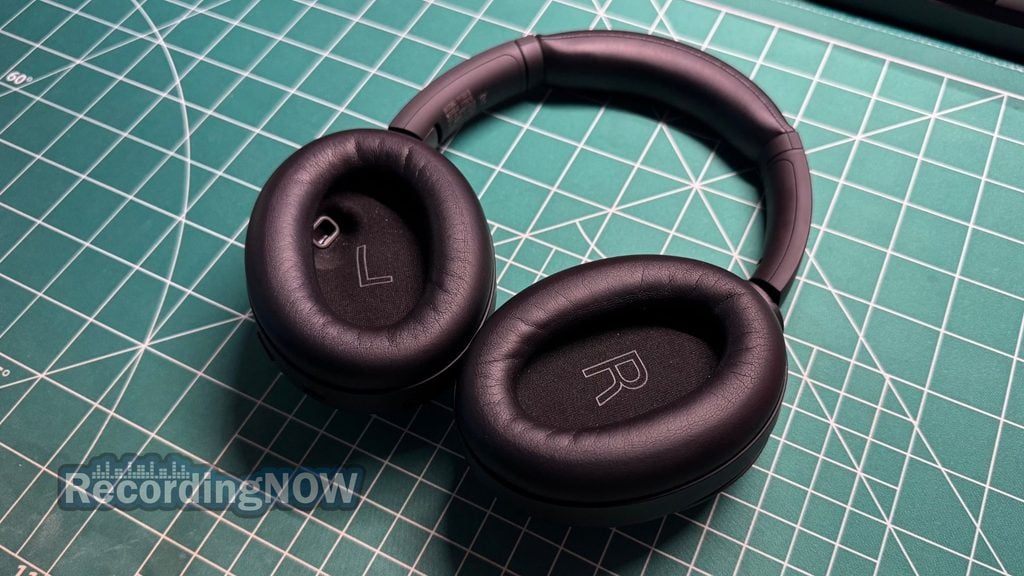
The Sony WH-1000XM4C is one of the lightest of the wireless over-ear headphones we’ve tested:
- Bose QuietComfort (2023 model) – 236.1 grams
- Bose QuietComfort 2nd Gen – 237.3 grams
- Sony WH-1000XM5 – 246.1 grams
- Sony WH-1000XM4C – 250.9 grams
- Sony WH-1000XM4 – 251.6 grams
- Sony WH-1000XM6 – 252.8 grams
- Bose QuietComfort Ultra (1st gen) – 254.4 grams
- Bose QuietComfort Ultra (2nd gen) – 262.2 grams
- Beats Studio Pro – 268.6 grams
- Sennheiser Momentum 5 – 288.8 grams
- Sennheiser Momentum 4 – 292.9 grams
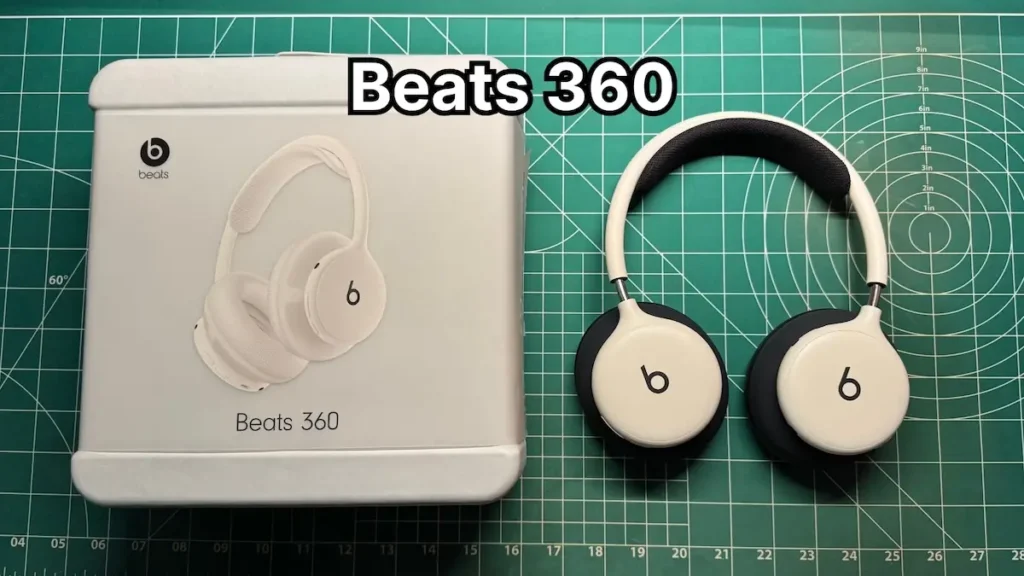
- Beats 360 – 293.8 grams
- Sony 1000X THE COLLEXION – 311.2 grams
- Bowers & Wilkins Px8 S2 – 312.0 grams
- Sennheiser HDB 630 – 313.4 grams
- Sonos Ace – 318.1 grams
- Bowers & Wilkins Px8 – 320.1 grams
- Bang & Olufsen H95 – 323 grams
- Focal Bathys – 350 grams
- Focal Bathys MG – 365.5 grams
- Bang & Olufsen H100 – 375.6 grams
- Dali IO-12 – 379.4 grams
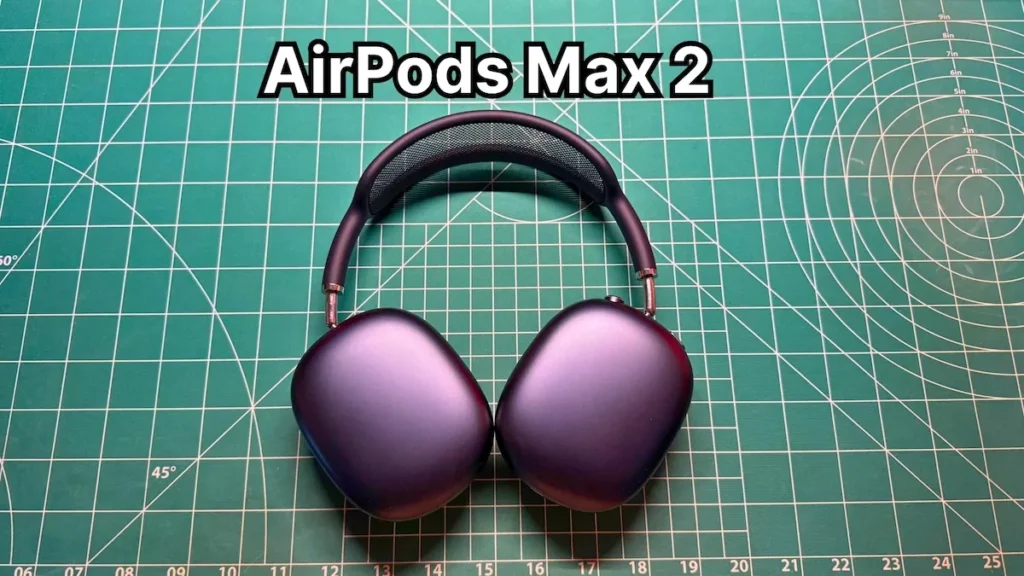
- Apple AirPods Max 2 – 384.4 grams
The newer XM4C is identical in design to the original XM4, which was arguably the best WH-1000 series design, in my opinion.
The XM4C is one of the lightest headphones for the premium class, and within a few grams of both the XM5 and XM6.
Unlike the XM6, the clamping force is much more relaxed in the XM4C, making it more comfortable.
Also, I prefer the headband padding on the XM4C versus the skinny headband on the XM5 which generates a bit of top-of-head pressure.
My only critique is that the interior earcup space is pretty shallow, so my ears are clearly touching the fabric and get slightly warmer easily versus something like the Bose QuietComfort 2.
Comfort Score: 9.5 out of 10
Features / Battery Life / Build Quality / Practicality
Features
The Sony WH-1000XM4C was released in September 2026 and has the typical modern wireless ANC headphone features:
- Native Apple and Android app support
- Bluetooth 6.0
- Multi-point connectivity
- Touch controls
- Multiple built-in microphones for taking calls
- Active Noise Cancelling
- Transparency Mode
- Foldable/Collapsible design
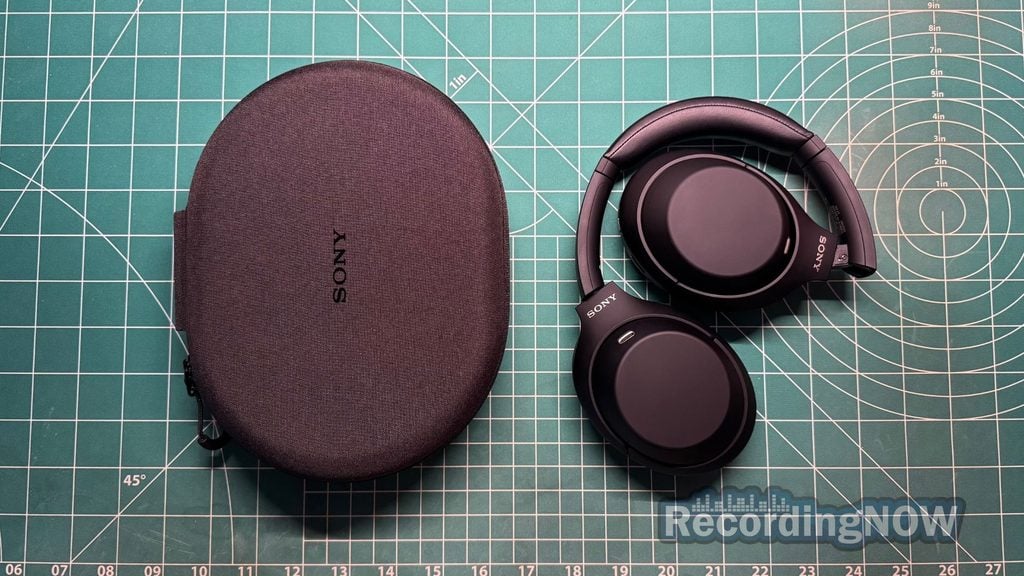
- Includes compact hardshell case
- User-replaceable battery
Battery Life
The Sony WH-1000XM4C has 27 hours of battery life on a single charge with ANC on.
- Marshall Monitor III – 70 hours (ANC on), 100 hours (ANC off)
- Cambridge Audio Melomania P100 SE – 60 hours (ANC on), 100 hours (ANC off)
- Audeze Maxwell – 80 hours (no ANC included)
- Sennheiser HDB 630 – 60 hours
- Sennheiser Momentum 4 – 60 hours
- Sennheiser Momentum 5 – 57 hours
- Dali IO-12 – 35 hours (ANC on)
- Bang & Olufsen Beoplay H100 – 34 hours (ANC on)
- Beats 360 – 32 hours (ANC on)
- Focal Bathys MG – “Over 30 hours” (ANC on)
- Sony WH-1000XM6 – 40 hours (ANC off), 30 hours (ANC on)
- Bose QuietComfort Ultra (2nd Gen) – 30 hours
- Sony WH-1000XM5 and WH-1000XM4 – 30 hours
- Bowers & Wilkins Px7 S3 and Px8 – 30 hours
- Sonos Ace – 30 hours
- Sony WH-1000XM4C – 27 hours (ANC on), 34 hours (ANC off)
- Bose QuietComfort 2nd Gen – 24 hours
- Sony 1000X THE COLLEXION – 24 hours
- Bose QuietComfort Ultra (1st Gen) – 24 hours
- Apple AirPods Max 2 – 20 hours
- Apple AirPods Max – 20 hours
In my testing, I found this figure to be accurate.
27 hours with ANC on is slightly below the class average of 30 hours.
This is actually 3 hours less than the original XM4 at 30 hours, along with the XM5 and XM6, due to the new user-replaceable battery.
Build Quality
From a build quality perspective, I’ve always preferred the design of the XM4 over the weaker hinge design of the XM5 after it, so it’s good the XM4C retains that design.
I also prefer the XM4 over the XM6 in terms of comfort, but admit that the XM6 does feel a bit sturdier overall, as it should for being around $100-$150 more expensive.
I like that the XM4C has metal sliders in the headband, but the rest of it does feel rather plasticky.
The build quality and materials is slightly above-average for the $300 price range, but not as premium as some of the $400 range of headphones with metal hinges and higher-end materials.
Practicality
The XM4C is easily one of the best daily drivers due to its combination of lightweight comfort, strong noise cancelling, and very compact foldable design with premium hardshell case.
It is slightly below average for battery life, and the touch controls are not as intuitive or reliable as physical buttons for me.
Overall, the XM4C is arguably my favorite daily driver of the wireless Sony headphones due to being the most comfortable, while still having very competitive noise cancelling performance.
Features / Battery Life / Build Quality / Practicality Score: 8.5 out of 10
Active Noise Cancelling (ANC) Performance
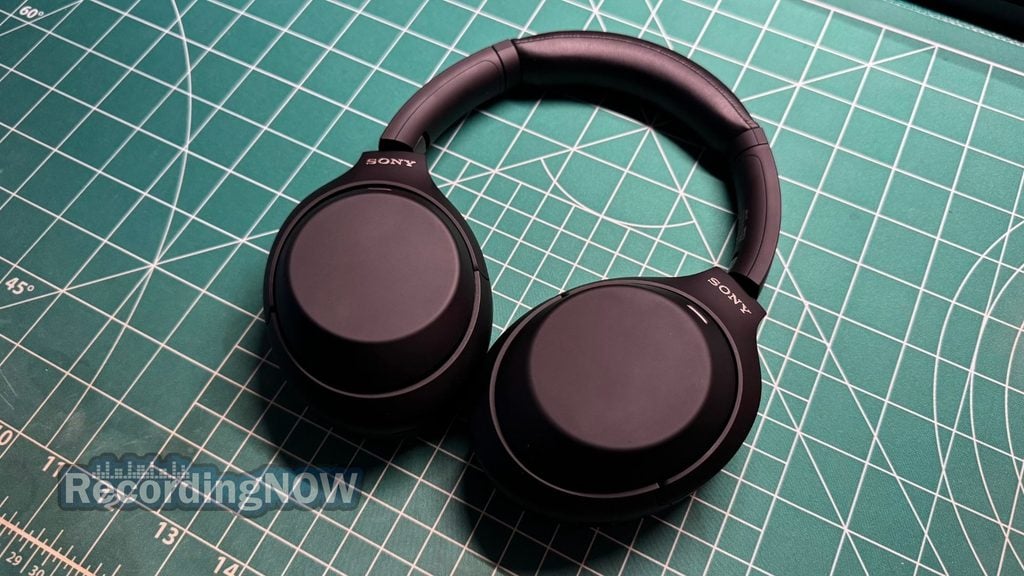
The noise cancelling of the original WH-1000XM4 is still solid even 6 years later, and the XM4C has improved upon it noticeably.
Where the XM4C has improved the most is in the lower frequencies, like the hum of airplane cabin noise or air conditioning.
Where the XM4C struggles a bit versus the newest XM6 is in the mid to high frequency spikes, likely due to having only 4 microphones and the older QN1 processing chip versus 12 microphones and the QN3 featured in the XM6.
Also, the Transparency or “Ambient Mode” is a bit muffled and underwhelming, which is quite similar to the original XM4 and XM5.
This is another area where the XM6 is much improved over both its predecessors.
The noise cancelling and transparency mode is more on par with the XM5 as a whole.
Overall, in terms of pure active noise cancelling performance, I would easily put the XM4C in the Top 10 and potentially even Top 5 depending on your environment.
But factoring in the underwhelming Transparency Mode, I think the XM4C is realistically towards the bottom of the Top 10, which is still very good but not elite.
Noise Cancelling Score: 9.0 out of 10
Value
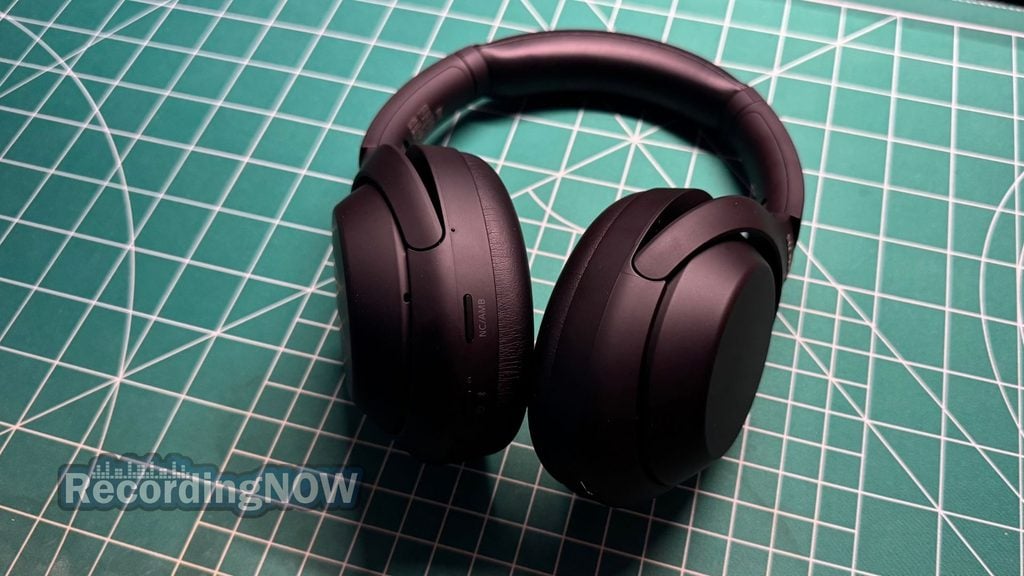
The Sony WH-1000XM4C retails at $298 USD, and since it’s brand new, there are no discounts yet.
Let me be clear, at under $300, this is arguably the most compelling overall package in the market at this price range.
The latest XM6 is typically $398 to $458, and is definitely a lesser value than the XM4C.
The XM5 can go between $198 to $299. It’s fairly intriguing at $198 on sale, sure, but the broken hinge issue and weaker sound quality still has me choosing the XM4C.
Overall, the XM4C is arguably the best value Sony flagship headphone out of the lineup currently.
Value Score: 9.0 out of 10
Is the Sony WH-1000XM4C 2nd Gen Headphones Worth it?
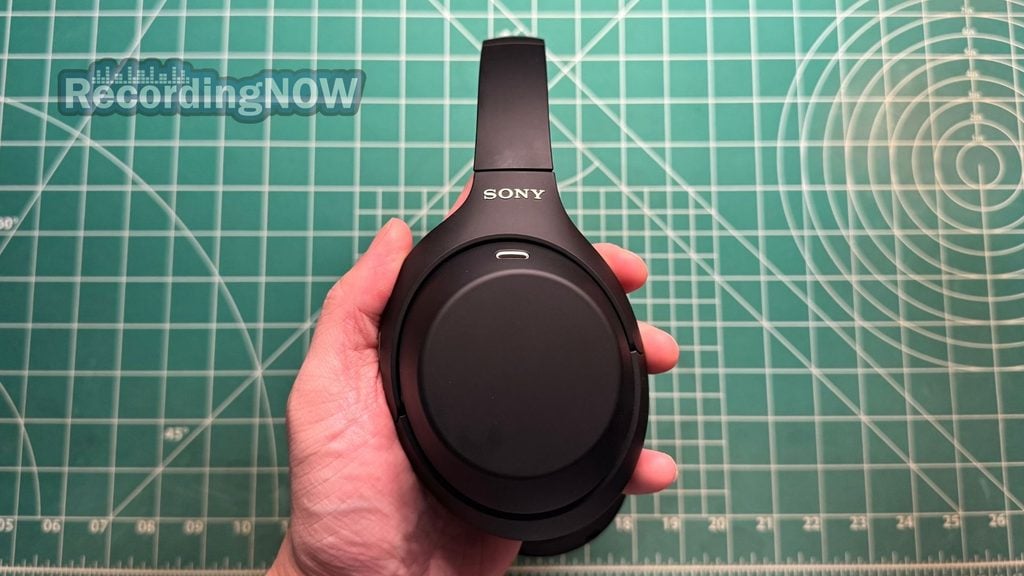
I, for one, really like this creative move from Sony to refresh and modernize one of their all-time best-sellers and proven designs in the original 6-year-old WH-1000XM4.
Personally, I was actually expecting a little bit more from the XM4C, and it really is more of a “refresh of a classic” than a complete overhaul.
That said, it does improve upon and modernize the XM4 in virtually every way, and I welcome the updates like Bluetooth 6.0 and the enhanced sound quality and noise cancelling.
At under $300, I can’t think of a better overall package for comfort, noise cancelling, sound quality, and portability.
Some very Strong Alternatives in this class of noise cancelling headphones are:
- Sony WH-1000XM6
- Sony WH-1000XM5
- Bose QuietComfort 2
- Beats 360
- AirPods Max 2
- Sennheiser Momentum 4
- Nothing Headphone 1
- Bose QuietComfort Ultra 2nd Gen
- Sennheiser Momentum 5
- Beats Studio Pro
- Sennheiser HDB 630
- Bowers and Wilkins Px7 S3
- Sonos Ace
- Bose QuietComfort 1st Gen (2023)
Overall Scoring Breakdown
Sound Quality (50% of score): 8.7 / 10
Comfort (10% of score): 9.5 / 10
Features / Battery Life / Build Quality / Practicality (10% of score): 8.5 / 10
Noise Cancelling (20% of score): 9.0 / 10
Value (10% of score): 9.0 / 10
Overall: 8.85 / 10
Order the LATEST VERSION for the LOWEST PRICE AVAILABLE (Do NOT pay retail):
Disclosure: These affiliate links may provide a discount and in return, give us a commission in order to keep this website 100% independent to ensure honest unfiltered reviews 🙂
How We Tested and Our Methodology
RecordingNOW.com is a 100% independent publisher with over 10 years of experience testing and reviewing consumer electronics and headphones.
We currently purchase almost all of the products we test with our own money, and are not paid by any company or manufacturer to influence our opinions or decisions.
After purchasing the product, we conduct up to hundreds of hours of detailed hands-on testing in a controlled, acoustically-treated environment. Noise cancelling performance is tested in the real-world, primarily on airplane flights, coffee shops, and walking around large metropolitan city environments.
ODi Productions is our resident expert and author of this article, with 10 years of experience as a professional music producer, tech journalist, and audiophile.
Read Next
Best Wireless Noise Cancelling Headphones (40+ Tested!)


Bose QuietComfort Ultra 2nd Gen Review
Sony 1000X THE COLLEXION Review
Bowers and Wilkins Px7 S3 Review


Bose QuietComfort 1st Gen (2023) Review