 Odi Productions
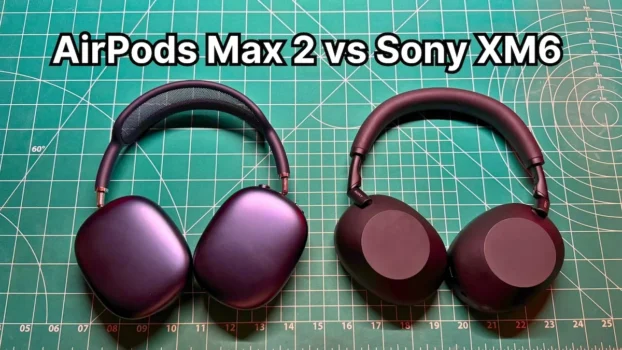
In this article, I’m going to share my HONEST Apple AirPods Max 2 vs Sony WH-1000XM6 comparison, as someone who has purchased each of these headphones with my own money.
I’ve conducted thorough testing of these headphones, and I will break down a winner for each category including:
- Comfort and Fit
- Features
- Battery Life
- Noise Cancelling Performance
- Sound Quality
- Value
I’ll be sharing my critical opinion with 10 years of experience as a professional music producer, audio engineer, and tech journalist. I also run the RecordingNOW YouTube channel with over 20,000+ subscribers and over 4 million+ views, where you can watch the video versions of all of our reviews and comparisons.
Let’s dive right in!
Apple AirPods Max 2 vs Sony WH-1000XM6 Comparison in Short
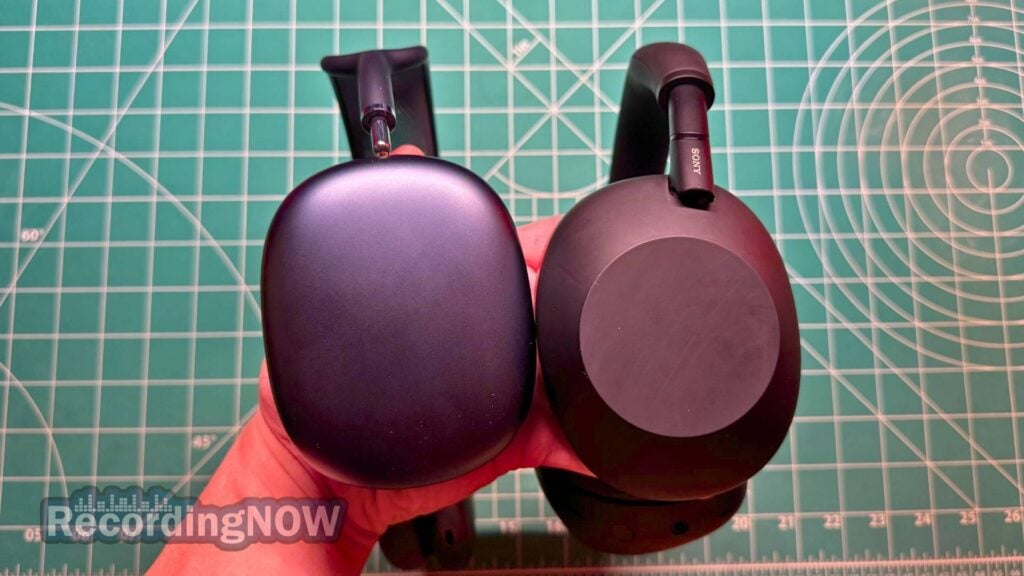
The AirPods Max 2 and Sony WH-1000XM6 are currently tied for best-in-class noise cancelling performance. The AirPods Max 2 has slightly higher sound quality (especially out of the box), with higher build quality and premium materials, but is also $70 USD more expensive currently. The Sony XM6 is 130 grams lighter, with 50% more battery life, and native app support for both Android and iOS.
Order HERE for the LOWEST PRICE AVAILABLE (Do NOT pay retail):


Disclosure: These affiliate links may provide a discount and in return, give us a commission in order to keep this website 100% independent to ensure honest unfiltered reviews 🙂
Sound Quality
Technical Details
On paper, the Sony WH-1000XM6 is capable of higher sound quality due to having LDAC high-res codec support, which is capable of 24-bit / 96 kHz at a bitrate up to 990 kbps.
In contrast, the Apple AirPods Max 2 has no high-res codec support, and is limited to AAC at 16-bit / 44.1 to 48 kHz, with a maximum bitrate of 320 kbps. Although it’s worth noting that Apple’s AAC is highly efficient, so the difference is less than it seems on paper.
In wired USB-C mode, both headphones are capable of Lossless Audio, although the Sony XM6 is slightly higher at 24-bit/96 kHz vs 24-bit/48kHz for the AirPods Max 2.
The Sony has more flexibility due to its 10-band Custom EQ via the app, while the AirPods Max 2 is mostly limited to its stock tuning (although it’s a pretty good one).
Sound Profile Comparison
- AirPods Max 2: Neutral bright, detailed, open soundstage, treble-forward, clean bass response, energetic.
- Sony WH-1000XM6: Neutral dark, warmer, more intimate soundstage, smoother treble, heavier bass with more quantity.
Both headphones are surprisingly neutral for being popular consumer headphones, but that is about where the similarities end.
The AirPods Max 2 is the brighter, more open-sounding, and more energetic headphone in contrast to the Sony WH-1000XM6 which is arguably flatter at the cost of being less “fun”.
Full Sound Test
Personally, I much prefer the sound profile and tuning of the AirPods Max 2 right out of the box.
When listening back-to-back, I can’t help but think the Sony XM6 needs quite a bit more EQ to be as enjoyable as the AirPods Max 2 stock.
The XM6 just sounds a bit lifeless, flat, and boring with its factory tuning, especially contrasted against the energetic AirPods Max 2.
The AirPods Max 2 just sounds more detailed and open in its soundstage and presentation than the Sony XM6, with a slightly higher level of separation and layering.
Even with LDAC on the XM6, the AirPods Max 2 is able to match its detail and resolution via AAC.
Bass
The Sony XM6 has the more impactful bass and sub-bass, while the AirPods Max 2 has arguably the higher bass quality.
Plus, the XM6 can be EQ’d even further to shape its bass response, so it wins for those seeking bass.
I find the AirPods Max 2’s clean, tight bass to still be very satisfying, and it’s noticeably more “measured” out of the box, allowing the other frequencies to be less muddied.
Mids
The XM6 is the warmer sounding headphone with full-bodied mids, but I think it has a tendency to sound muddy compared to the crystal clear AirPods Max 2.
Following up my thoughts on bass above, the cleaner bass of the AirPods Max 2 really allows the mids to be more detailed and forward with less muddiness.
Both headphones have relatively great mids compared to the average consumer-friendly V-shaped signature headphones.
Treble
I think the AirPods Max 2’s biggest advantage over the XM6 is its treble, which is simultaneously more detailed and airy, while being less sibilant.
The XM6 has a darker overall sound, and the treble detail just doesn’t jump out as immediately as the AirPods Max 2.
The AirPods Max 2 is noticeably more treble-forward than the XM6, which makes the XM6 sound less exciting and detailed, although perhaps more natural.
Overall
I initially had the Sony WH-1000XM6 scored slightly higher than the previous-generation AirPods Max 1, but I think with the improvements made to the AirPods Max 2’s sound quality, it’s now enough for Apple to edge out the Sony’s in this comparison.
Going into this comparison, I was actually expecting the XM6 to win due to its LDAC support and custom 10-band EQ.
Instead, the AirPods Max 2 was noticeably more detailed and enjoyable to listen to right out of the box.
In fact, I found that the XM6 really needed a good amount of EQ to even be enjoyable in contrast to the AirPods Max 2.
In full LDAC with a good EQ setting (which I have a few shared in my individual Sony WH-1000XM6 review), then the XM6 is almost on par with the stock AirPods Max 2.
AirPods Max 2 Score: 8.8 out of 10
Sony WH-1000XM6 Score: 8.7 out of 10
Winner: AirPods Max 2
Comfort
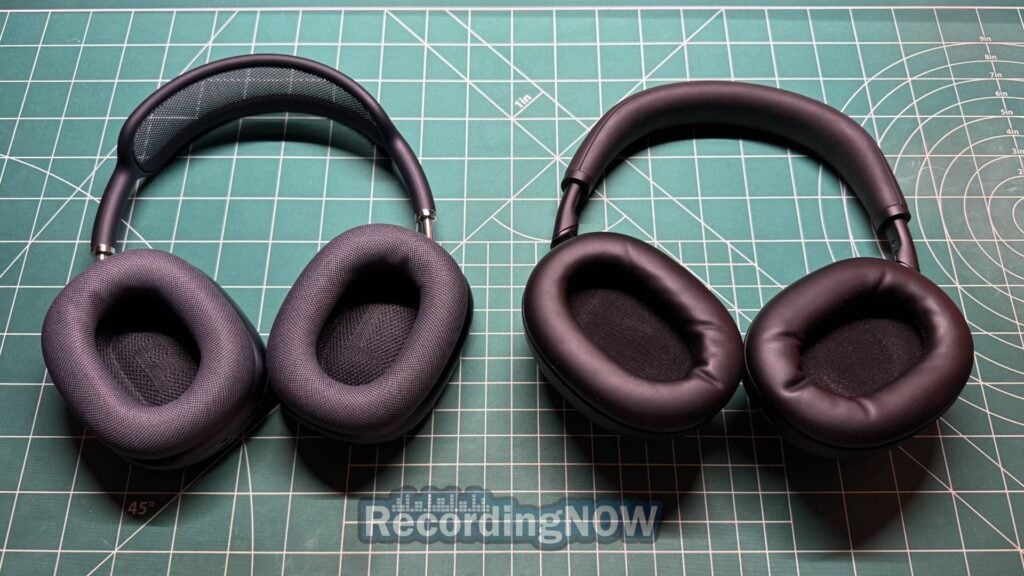
Here are the weights of these 2 headphones compared to some competitors, using our in-house scale:
- Sony WH-1000XM6 – 252.8 grams
- Bose QuietComfort Ultra 2 – 262.2 grams
- Bowers & Wilkins Px8 S2 – 312.0 grams
- Sennheiser HDB 630 – 313.4 grams
- Bowers & Wilkins Px8 – 320.1 grams
- Bang & Olufsen H95 – 323 grams
- Focal Bathys – 350 grams
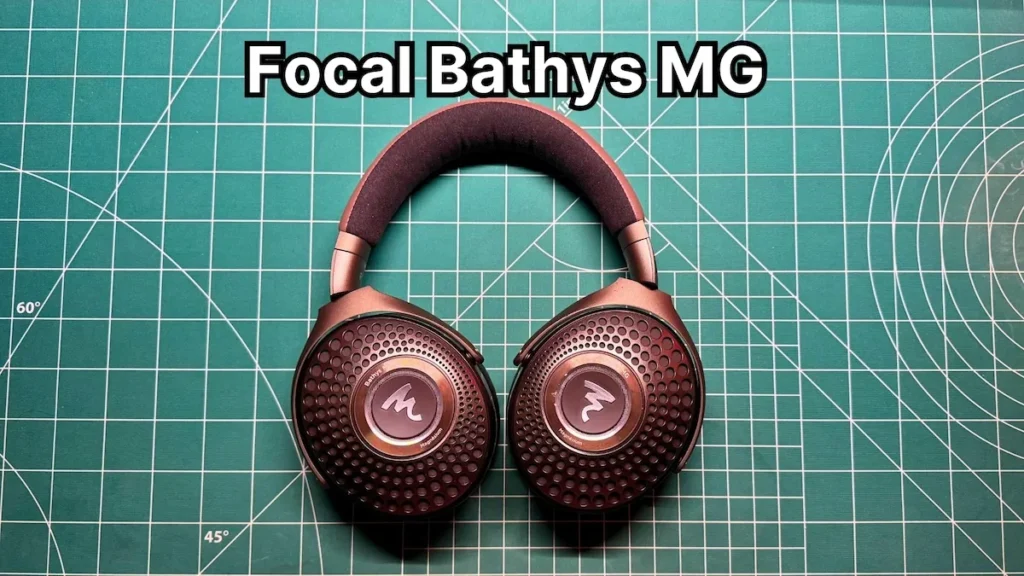
- Focal Bathys MG – 365.5 grams
- Bang & Olufsen H100 – 375.6 grams
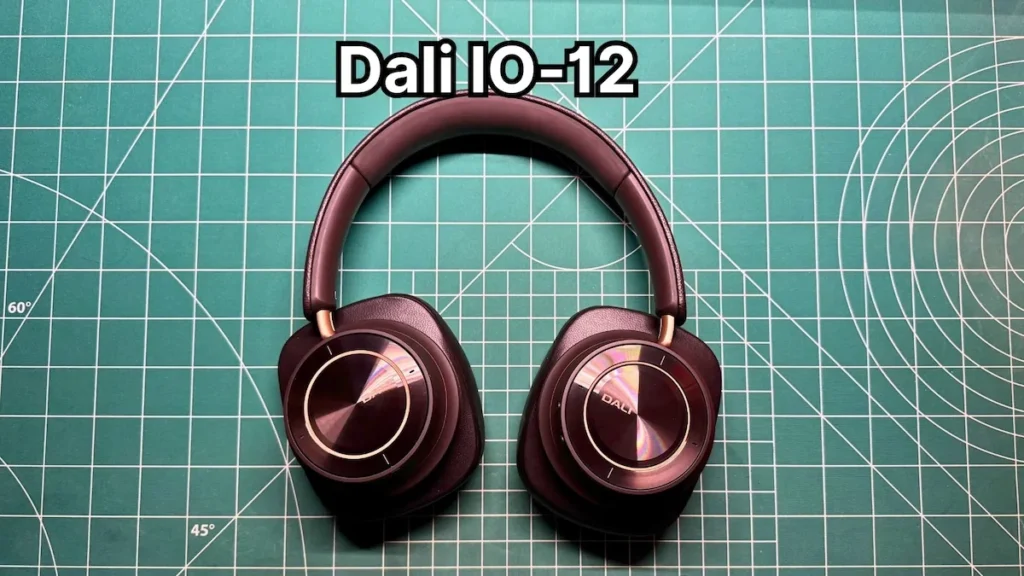
- Dali IO-12 – 379.4 grams
- Apple AirPods Max 2 – 384.4 grams
- Apple AirPods Max – 385.0 grams
Here we have quite an interesting comparison of the heaviest headphone in the class going up against one of the lightest we’ve tested.
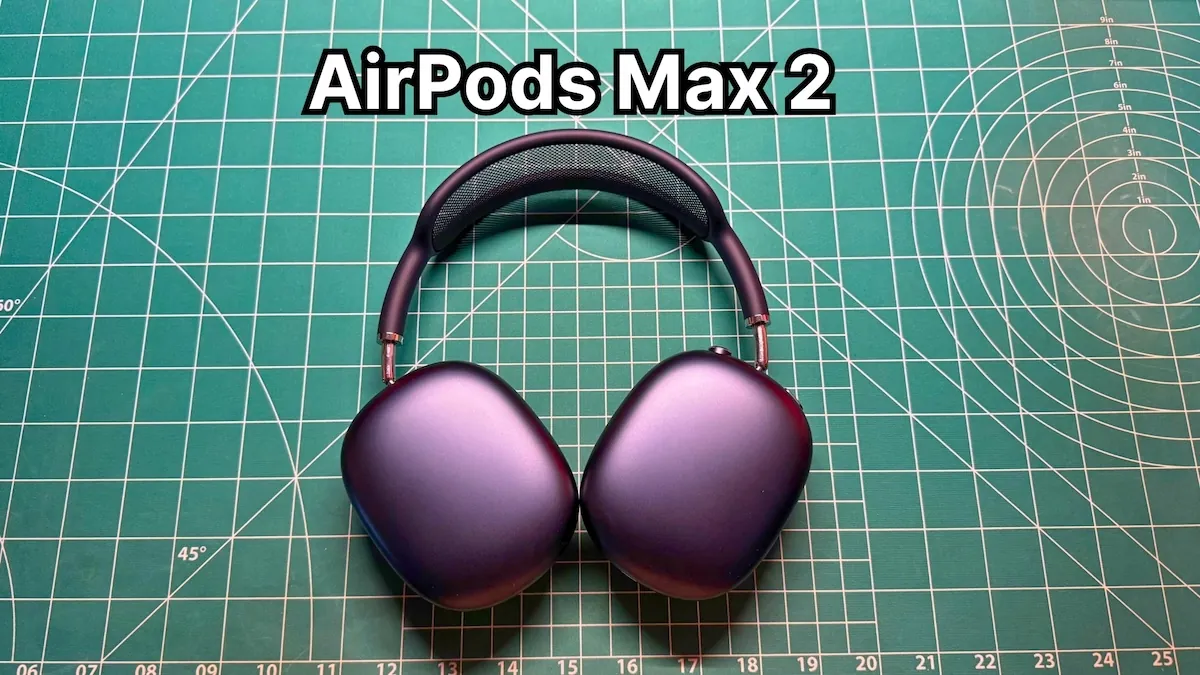
Now before you judge them based on their weight, Apple did a great job to mitigate that weight with the AirPods Max’s design.
First off, the mesh headband results in virtually zero top-of-head pressure.
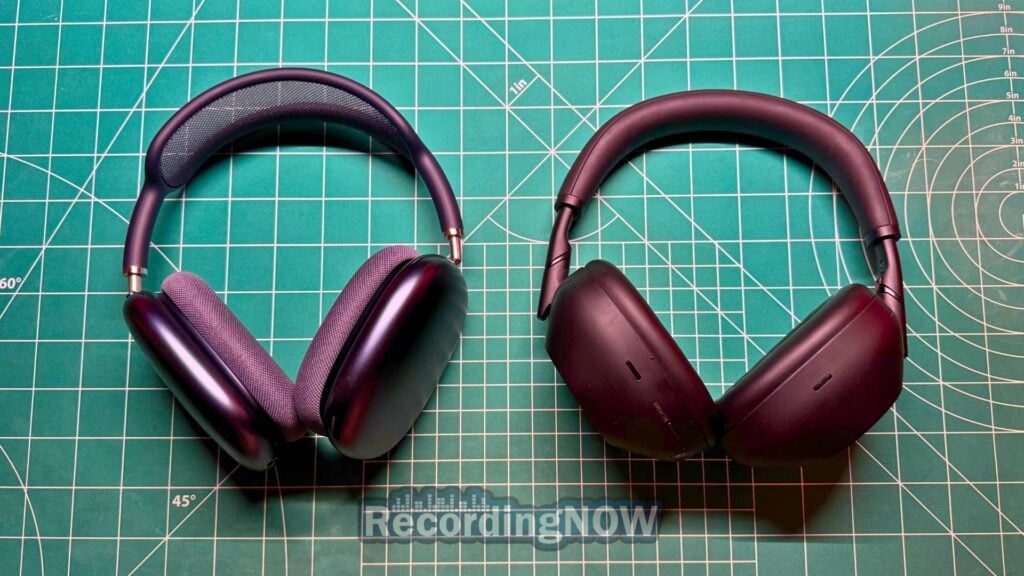
Next, the earcups are quite large in terms of interior space, so my ears are mostly free inside of them versus the shallower Sony XM6, where my ears press against the fabric inside. The acoustic foam earpad cushions are also decently supportive, but not the softest.
Lastly, the AirPods Max 2’s clamping force is firm but not overly strong, which helps comfort as well.
The Sony WH-1000XM6 had a serious clamping force out of the factory, but thankfully loosened up a bit after 1 month.
Combine the Sony’s shallow earcups with a noticeable clamping force months later, and it can make the ears a bit warmer quicker than the roomier AirPods Max 2 earcups with acoustic foam earpad cushions.
I prefer the AirPods Max 2’s earpads over the shallow pleather earpads of the Sony XM6.
Overall, the XM6 still wins on comfort due to being 130 grams lighter, but neither is quite a perfect headphone for comfort.
AirPods Max 2 Score: 8.0 out of 10
Sony WH-1000XM6 Score: 8.5 out of 10
Winner: Sony WH-1000XM6
Features / Battery Life / Build Quality / Practicality
Features
The AirPods Max 2 has the upgraded Apple H2 chip that is responsible for real-time processing of noise cancelling, adaptive audio, microphones, and more.
The microphone quality has been improved with new “studio grade” microphones built into the AirPods Max 2, although the microphone quality is also excellent on the Sony WH-1000XM6.
Some niftier modern features of the AirPods Max 2 include “Live Translation” that provides real-time audio translation of foreign languages, head gestures for answering calls, and conversation awareness to lower volume while you are speaking.
The AirPods Max 2 has that unique Apple ecosystem connectivity, which allows seamless switching across multiple Apple devices.
On the other hand, the Sony XM6 has native app support on both Android and iOS devices, making it a bit more flexible.
Battery Life
Here is the battery life ratings of both headphones with active noise cancelling turned ON:
- AirPods Max 2 – 20 hours
- Sony WH-1000XM6 – 30 hours
The Sony XM6 has the clear battery life advantage, boasting 50% more battery life than the AirPods Max 2.
It’s worth noting that the AirPods Max 1 and 2 are the lowest rated for battery life in this class.
Build Quality
The AirPods Max 2 is in another league for build quality versus the plasticky Sony WH-1000XM6.
The AirPods Max 2 features a stainless steel headband core that is exposed at the hinges, along with aluminum earcups.
The Sony XM6 is mostly plastic all-around, although I’m happy they included a small metal piece at the joint of the hinge that was a breaking point on the previous-gen Sony WH-1000XM5.
The earpads on the XM6 are a noticeably fake pleather, with no grain to even look remotely close to leather, while the AirPods Max 2 uses an acoustic foam that runs a bit cooler.
Practicality
Both of these headphones serve well as daily drivers, but the XM6 is more practical due to its 130 gram lighter weight and 50% more battery life.
I’ve used both headphones for working out and they both get the job done, although the XM6 is less bulky and slightly more secure-fitting.
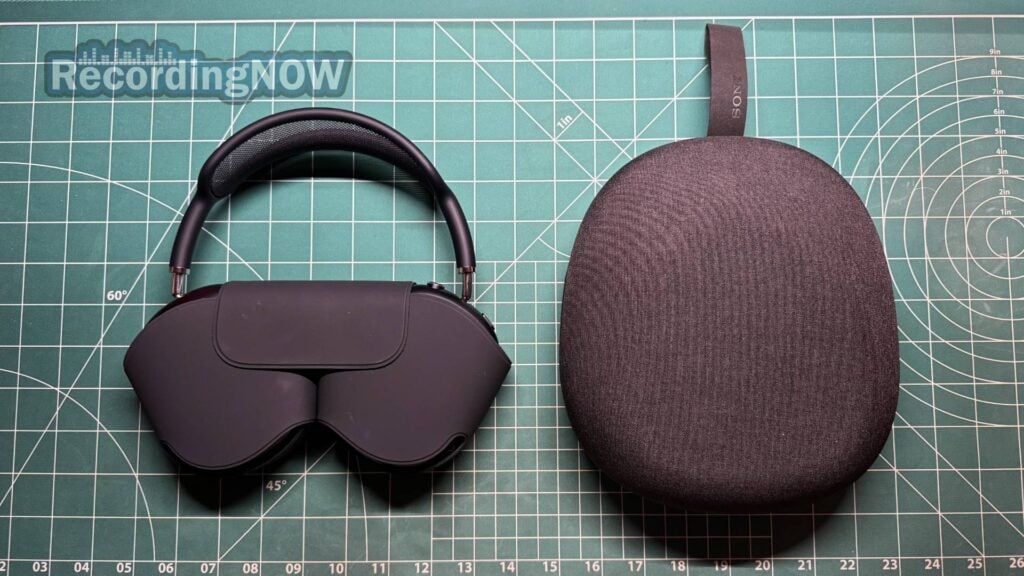
For travel, I also prefer the XM6’s compact hardshell case that protects the entire headphone, over the “Smart Case” on the AirPods Max 2 that only covers the earcups (see photo above).
AirPods Max 2 Score: 8.0 out of 10
Sony WH-1000XM6 Score: 9.0 out of 10
Winner: Sony WH-1000XM6
Noise Cancelling Performance
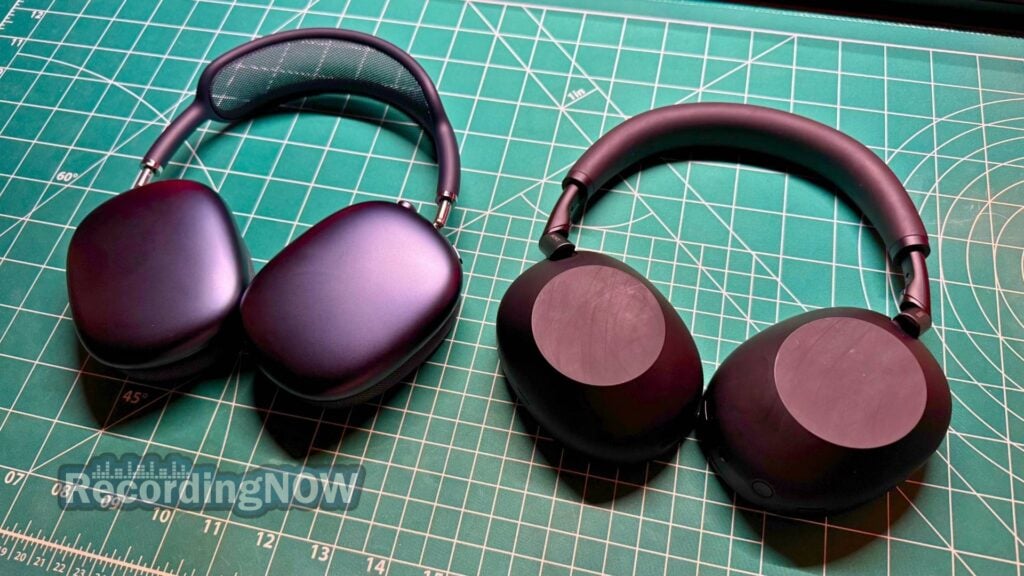
Let’s cut straight to the chase, these are two of the best noise cancelling headphones in the entire class currently, alongside the Bose QuietComfort Ultra 2 and Sonos Ace.
The AirPods Max 2 claims 1.5x the noise cancelling of the previous-gen AirPods Max 1, which was already fairly competitive with the Sony WH-1000XM6 and Bose QC Ultra 2.
Now on paper, I was fully expecting the AirPods Max 2 to now be in another league compared to the Sony XM6, but to my surprise, it seems neck-and-neck.
You can’t go wrong with either of these headphones for your noise cancelling needs.
Also, the transparency mode is excellent on both headphones, but I slightly prefer the more natural-sounding AirPods Max 2 due to Apple’s H2 chip.
AirPods Max 2 Score: 10 out of 10
Sony WH-1000XM6 Score: 10 out of 10
Winner: Tie
Value
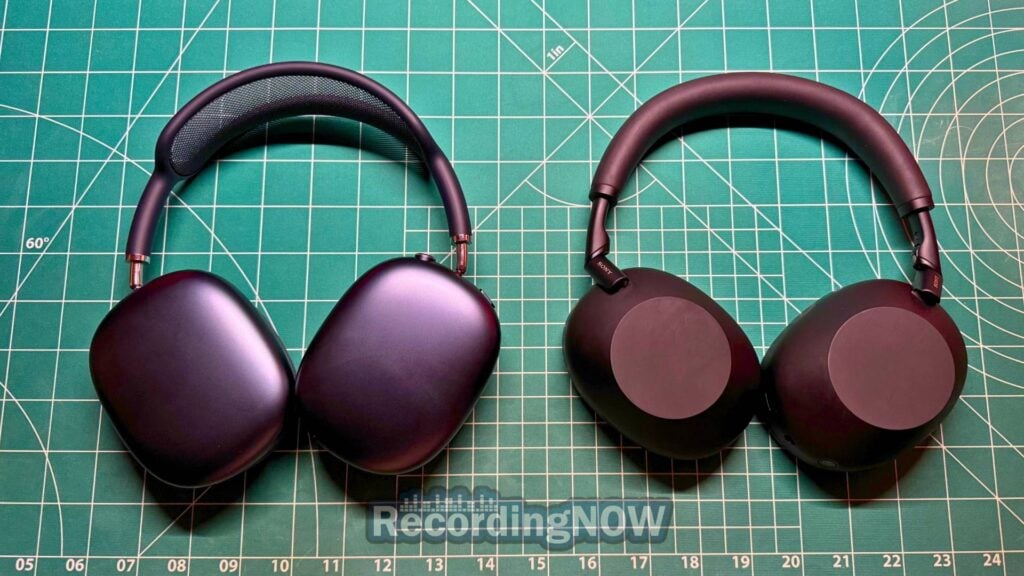
The AirPods Max 2 is newer and retails at $549 USD, but is currently available for $529.
The Sony WH-1000XM6 is currently around $458 USD.
So with a current gap of around $70 in favor of the Sony XM6, it does make the Sony’s the slightly better value over the newer AirPods Max 2, for now at least.
I will say that what you’re getting for $70 more is much better materials and build quality, along with arguably better sound quality, especially out of the box.
Also if you’re a heavy Apple ecosystem user, the AirPods Max 2 will also be more convenient due to its seamless connectivity and switching.
AirPods Max 2 Score: 7.5 out of 10
Sony WH-1000XM6 Score: 8.0 out of 10
Winner: Sony WH-1000XM6
Overall Scoring Breakdown
- Best-in-class noise cancelling performance
- Premium build quality
- Very good sound quality
- Apple ecosystem connectivity
- 20 hour battery life
- There’s better sound quality
- No high-res codec support

- Excellent sound quality after EQ
- Best noise cancelling available
- Lightweight
- Hinge issue has been improved
- Clamping force
- Small interior earcup space
- Sibilance without EQ
- Smaller soundstage
Our Verdict: Sony WH-1000XM6

This was just about as close as a comparison can get, but today we have the Sony WH-1000XM6 narrowly edging out the AirPods Max 2.
Overall I think this is a sound choice in favor of the $70 cheaper Sony XM6, but I’ve gotta admit that I personally might lean towards the AirPods Max 2 due to that sound quality and build quality.
That said, with the Sony XM6 being 130 grams lighter and having 50% more battery life, it does make more sense as a practical daily driver for work and travel.
Not to mention that the Sony has native support for Android users in addition to iOS users, while the AirPods Max 2 is a bit more limited on Android.
Either way, both headphones are world-class for noise cancelling currently, so at least you can’t go wrong in that department.
Lastly, if you’d like to save some money and keep supporting RecordingNOW.com’s 100% independent, unbiased reviews, do consider using some of our affiliate links below to shop and even just compare prices. We purchase all products we review with our own money to maintain the highest level of integrity, and your support goes into that plus a continuously improving site experience.
Order HERE for the LOWEST PRICE AVAILABLE (Do NOT pay retail):
Disclosure: These affiliate links may provide a discount and in return, give us a commission in order to keep this website 100% independent to ensure honest unfiltered reviews 🙂
How We Tested and Our Methodology
RecordingNOW.com is a 100% independent publisher with over 10 years of experience testing and reviewing consumer electronics and headphones.
We currently purchase the products we test with our own money, and are not paid by any company or manufacturer to influence our opinions or decisions.
After purchasing the product, we conduct up to hundreds of hours of detailed hands-on testing in a controlled, acoustically-treated environment.
ODi Productions is our resident expert and author of this article, with 10 years of experience as a professional music producer, tech journalist, and audiophile.
Read Next
Best Wireless Noise Cancelling Headphones (40+ Tested!)

Bose QuietComfort Ultra 2nd Gen Review

AirPods Max vs AirPods Max 2: Worth the Upgrade?
Bowers & Wilkins Px8 S2 Review

Bowers and Wilkins Px7 S3 Review

Bang & Olufsen Beoplay H100 Review