 Odi Productions
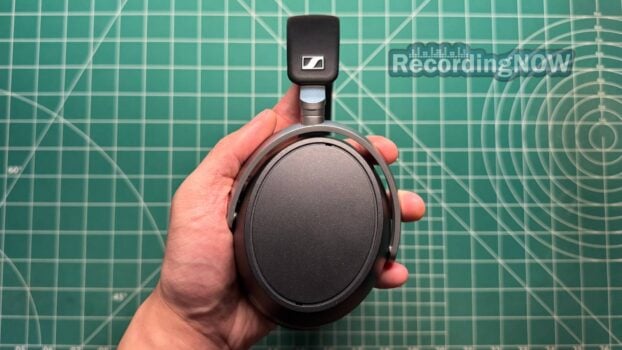
In this article, I’m going to share my HONEST Sennheiser HDB 630 review for those who are wondering whether they are WORTH IT in 2026. I’ll also be comparing the Sennheiser HDB 630 vs Momentum 5, Momentum 4, Bowers and Wilkins Px7 S3, Px8 S2, Sony WH-1000XM6, Apple AirPods Max 2, Bose QuietComfort Ultra 2, and more!
I’m going to do my best to share whether these headphones are worth it, and ideally who these headphones are for. I bought these headphones with my own money, and was NOT sponsored, paid, or received a free copy for review. All thoughts are my own.
I’ll be sharing my critical opinion with 10 years of experience as a professional music producer, audio engineer, and tech journalist. I also run the RecordingNow YouTube channel with over 25,000+ subscribers and over 5 million views.
Let’s dive right in!
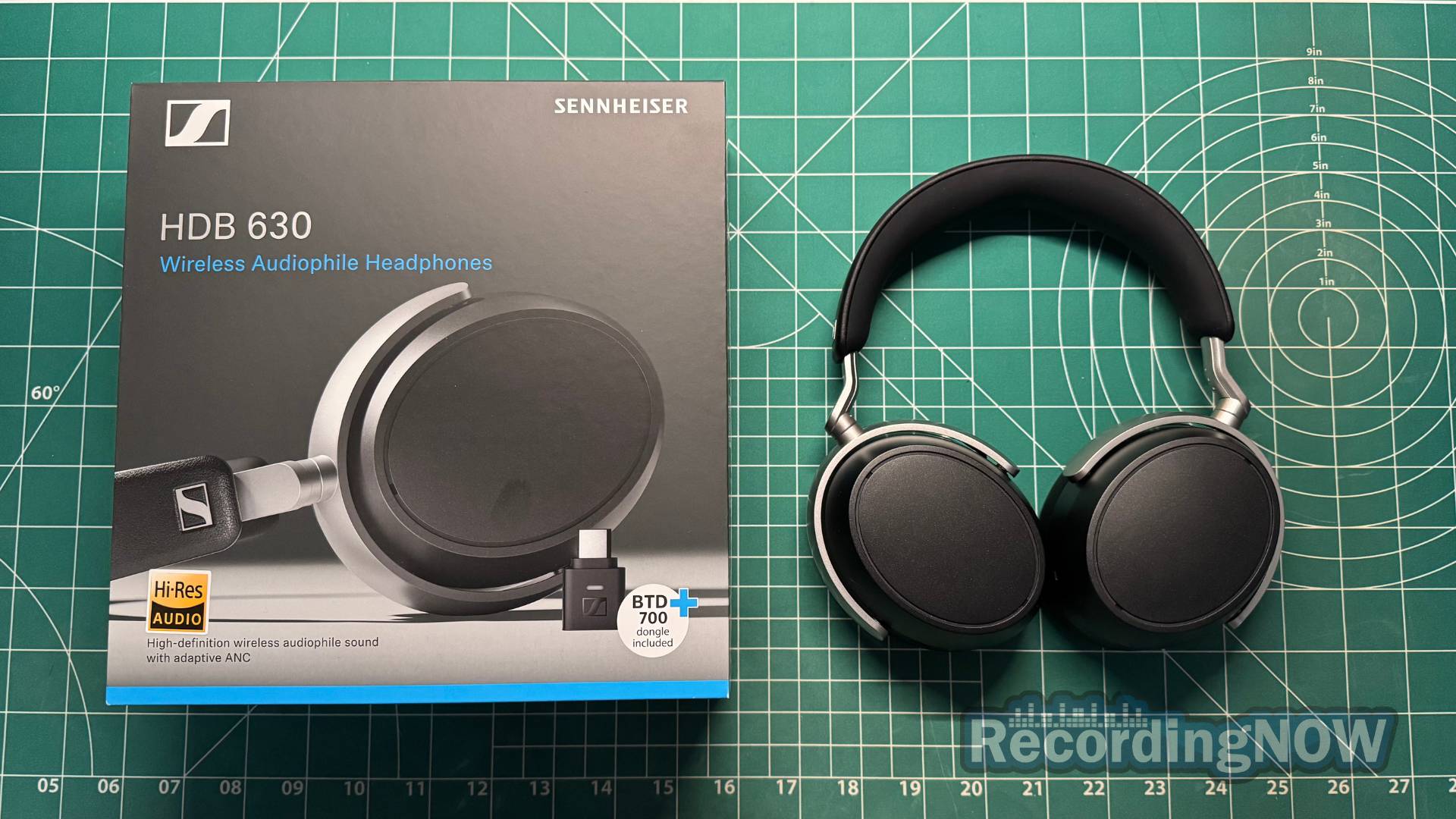
Sennheiser HDB 630 Headphones review in short
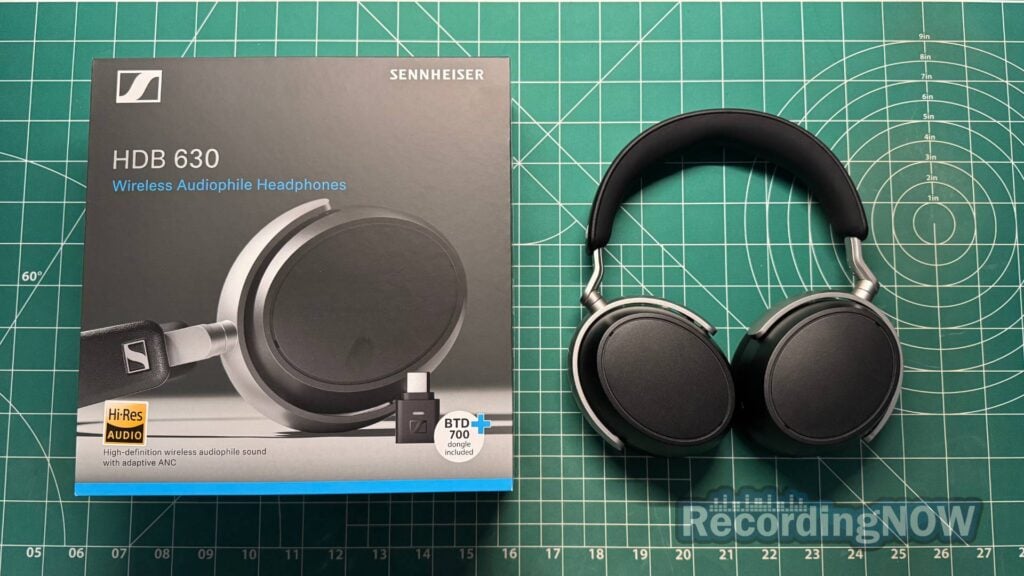
The Sennheiser HDB 630 offers a unique package of truly audiophile-level sound quality while being conveniently wireless with noise cancelling. The technical sound quality is excellent, but the neutral tuning may not be to the average consumer’s tastes. Also, the noise cancelling performance and build quality could be improved. Includes a $60 BTD 700 USB-C dongle for better sound quality and codec support. Competes against Sennheiser Momentum 5, Sennheiser Momentum 4, Bowers & Wilkins Px8 S2, Sony 1000X THE COLLEXION, Apple AirPods Max 2, Bose QuietComfort Ultra 2nd Gen, Sony WH-1000XM6, AirPods Max, and Bowers and Wilkins Px7 S3.
Watch this Full Review on YouTube!
Have any QUESTIONS for me?
Leave it in the YouTube COMMENTS and I’ll do my best to get back to you 🙂
Sennheiser HDB 630 Pros and Cons
- Truly audiophile sound quality
- Very comfy
- 60-hour battery life
- Includes BTD 700 dongle ($60 value)
- Neutral sound profile is not for everyone
- Noise cancelling is average
- Not premium materials for the price
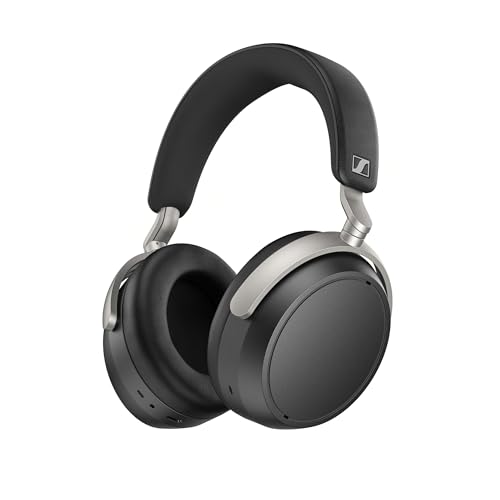
Order the LATEST VERSION for the LOWEST PRICE AVAILABLE (Do NOT pay retail):
Disclosure: These affiliate links may provide a discount and in return, give us a commission in order to keep this website 100% independent to ensure honest unfiltered reviews 🙂
Sound Quality
Stock sound first impressions…
Being a big fan of the older Sennheiser Momentum 4, the anticipation for the new “audiophile-targeted” HDB 630 was palpable.
The marketing material emphasizes a “neutral” sound signature, which is certainly a bit of an acquired taste catering to audiophiles as opposed to the average consumer.
Having a pro audio background, and being someone who regularly listens to music through studio monitors, this sounded right up my alley.
Before connecting the HDB 630 to my phone, I used the included BTD 700 USB-C dongle that Sennheiser includes, a $60 accessory on its own that can unlock higher codec support such as AptX Adaptive.
I then tested the sound with and without the dongle just to note the differences, which seems to be a slight improvement in overall resolution, clarity, headroom, dynamics, and spaciousness. They still sound great without the dongle.
Although the hype was real for the HDB 630, my first listening impression wasn’t necessarily a “wow” moment, but more of a “yup, this is what we expected” moment. The technical sound quality is excellent, very detailed while still retaining a natural timbre. Neutral-bright sound signature with the bass a touch lean for my liking.
These are like listening to studio monitors in a well-treated studio environment. A very measured sound.
Without hyperbole, this is very much wired-headphone sound quality in a wireless package, a feat that only a couple other headphones we’ve tested have accomplished: Audeze Maxwell and Bowers & Wilkins Px8 S2.
These 3 headphones are in an ELITE tier of sound quality, and represent an innovation in the wireless headphone product category that I’ve tested over the past decade, both personally and professionally.
That said, my nitpicks are short but I think valid:
- The bass and especially sub-bass is too lean and lacks slam and quantity. Doesn’t seem to have much tactility in the lower frequencies. It’s clean however.
- Too much treble energy above 10k. It doesn’t translate to airiness for me, instead it can get harsh and messes with timbre.
- Overall, not the MOST exciting or musical. More for critical listening instead of head-nodding. A tad reserved/boring for my personal tastes stock.
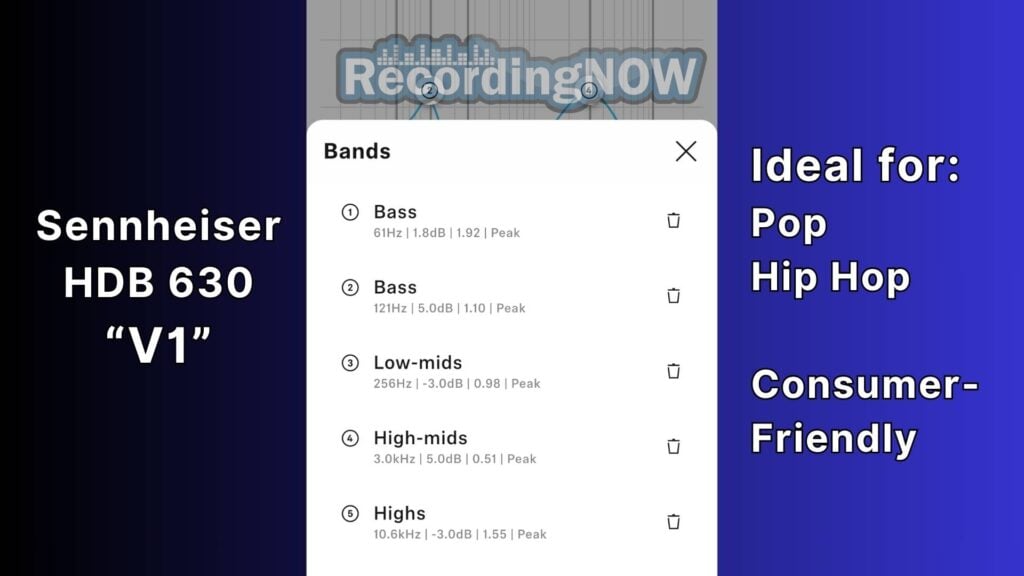
Now to address most of the above, Sennheiser has graciously added an advanced 5-band EQ to the app, and so I went to work.
The rest of this review will be mostly with the EQ settings shared below.
Also, the HDB 630 supports the hi-res codec of aptX Adaptive, leading to higher sound quality potential on paper.
To conduct this test, I used my Questyle QCC Dongle Pro to unlock aptX and LDAC support:
![Questyle QCC Dongle Pro2 [MFi Certified] USB-C Bluetooth Audio Adapter with LDAC, LHDC, aptX Lossless & aptX-Adaptive, Auracast](https://m.media-amazon.com/images/I/21jT-Cm5ZVL._SL500_.jpg)
If you’re an iPhone user, or if your phone doesn’t support aptX codecs, then I highly recommend you pick up the dongle above which will cover both LDAC and aptX Adaptive high-res codecs. It’s the only one of its kind that supports both, to my knowledge.
Best Equalizer Settings for Sennheiser HDB 630
V1 – Mainly for Pop, Hip Hop
V2 – Extra Bass Setting
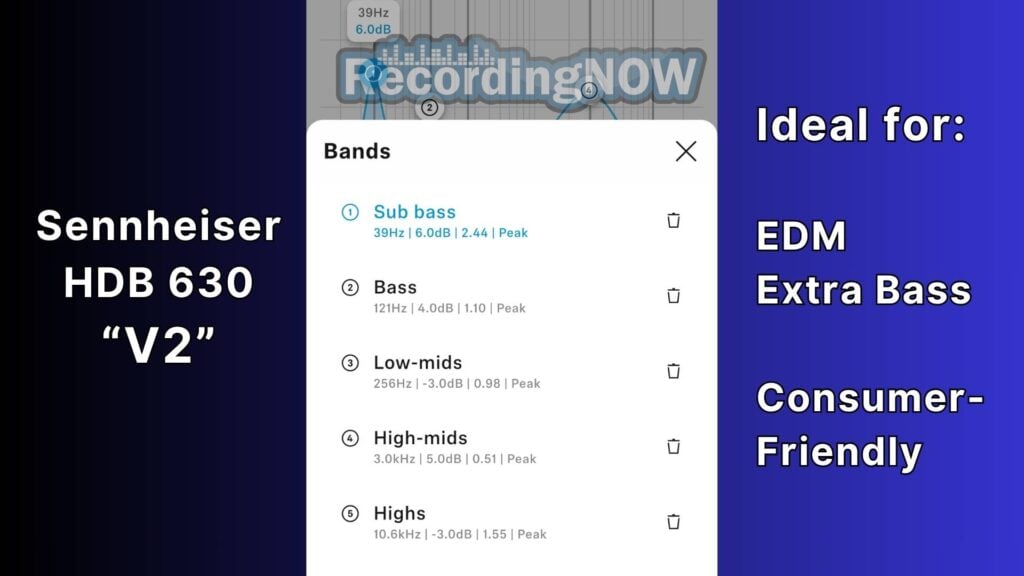
Result: More fun and consumer-friendly sound versus neutral stock. Bass is more emphasized, while still retaining audiophile detail in the mids and treble. More lively and exciting versus stock, which is more relaxed in its presentation.
Last Updated: 10-31-25
Bass
Unfortunately this is the “weakest” aspect of the HDB 630 in my opinion.
Stock is quite lean bass, but thankfully EQ makes a noticeable difference to improving the overall bass response.
Even when I was maxing out the bass via EQ, I was never that impressed with the sub-bass performance. Boosting the 120hz region did add a nice clean punch to liven things up a bit.
I’m much more a fan of the Audeze Maxwell’s 90mm planar drivers for deep sub-bass tactility and quantity. Along with the Bowers & Wilkins Px8 S2’s punchy bass slam.
I think this may just be due to the driver design or acoustics of the HDB 630. Momentum 4 might even have better sub-bass IMO, which makes me excited for the upcoming Momentum 5.
Mids
This is the bread-and-butter of the Sennheiser house sound.
The mids are wonderfully detailed and “correct-sounding”.
They pretty much nailed the natural and realistic timbre for vocals and most instruments, aside from peakiness past 10k that adds an unnatural sheen and too much treble energy at times.
After EQ’ing that out, I find the timbre to improve even more into a warmer and drier sound.
Treble
As I keep mentioning, there’s a bit too much treble energy above 10k that I had to EQ out to truly enjoy.
(Many people are probably not as treble-sensitive as I am. It’s probably my music background.)
It would sometimes break the immersion for me on more modern music that is already overly-hyped in that region.
Aside from that small nitpick, the treble is almost as impressive as the mids in terms of raw detail.
Actually, it’s more like they work in unison to deliver a ton of detail.
I was hearing things I never noticed before in songs I’m very familiar with.
There is no higher compliment than that.
Audiophile: Soundstage, Resolution, Separation, Imaging, Timbre
The HDB 630 may look almost identical to the Momentum 4 in terms of appearance, but make no mistake about it, it is superior in every way when it comes to the audiophile technicalities.
Immediately, the improvement in resolution and clarity hit my ears and made it clear that this isn’t just a “retuned” Momentum 4.
(Yes, the BTD 700 dongle can be responsible for a small amount of this improvement, but it’s noticeably improved even without the dongle.)
It simply reaches another level in terms of the separation and layering that is now more effortless than the Momentum 4, which isn’t a slouch in that department at all.
One weakness to the Momentum 4 is the timbre can be quite off, and this happens to be the strength of the HDB 630 which sounds very natural and realistic.
Simply put, if you’re an audiophile, go for the HDB 630 which will be closer in sound quality to wired headphones than the Momentum 4.
Here’s a few select sound comparisons to get an idea…
vs Sennheiser Momentum 5
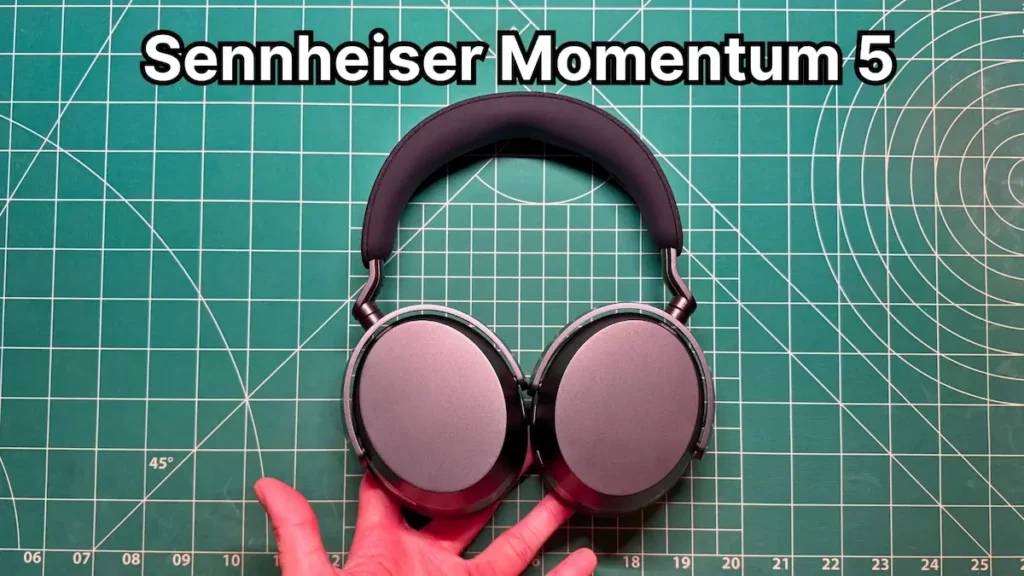
The newer Momentum 5 is a fantastic-sounding headphone in its own right, but the HDB 630 is still in a slight level above, hence the price difference.
Out of the box, I actually prefer the neutral tuning of the HDB 630 over the warmer and bass-heavy sound profile of the Momentum 5.
Although I think I do prefer how visceral and impactful the Momentum 5’s bass can be, especially with EQ, the HDB 630 comes across as cleaner and more textured.
One standout difference is that the treble detail, airiness, and soundstage is noticeably better on the HDB 630.
Overall, the Momentum 5 can be EQ’d to be a slightly more “fun” headphone than the HDB 630, but the HDB 630 wins on technical sound quality somewhat easily.
vs Sennheiser Momentum 4
If you follow our website or YouTube channel, you’d know we’re big fans of the Momentum 4.
That said, the HDB 630 is in another level above the Momentum 4 when it comes to audiophile-level sound quality.
It starts with a more neutral tuning to begin with, but it’s the overall resolution, separation, and soundstage that is clearly superior in the HDB 630.
I’d put the overall sound quality improvement at about 10% better than the Momentum 4 at its fullest potential (aptX Adaptive + custom EQ).
vs Sony WH-1000XM6
Honestly, I think the Momentum 4 is much more competitive with the Sony WH-1000XM6 than either the HDB 630 or even the newer Momentum 5.
Simply put, the Sony XM6 doesn’t match the resolution, separation, dynamics, or soundstage of the HDB 630.
The XM6 is not a bad sounding wireless headphone after applying LDAC and custom EQ (which it absolutely needs IMO), but it makes the HDB 630 sounds like a wired headphone in comparison.
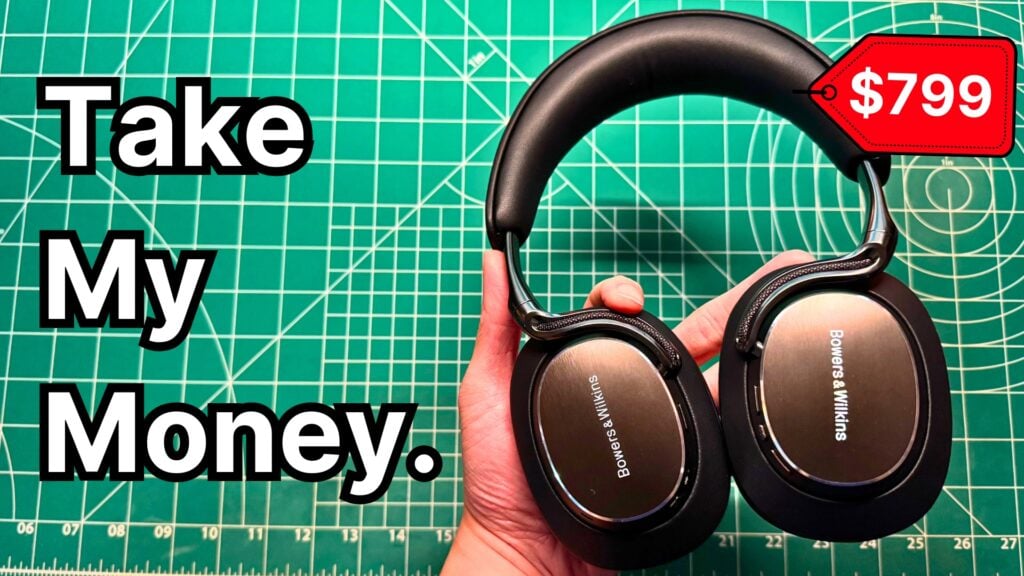
vs Bowers & Wilkins Px8 S2
Now this is where things get tricky.
The more expensive Bowers & Wilkins Px8 S2 is a much different sound profile than the neutral HDB 630, opting for a much more consumer-friendly and “exciting” sound out of the box.
On a technical level, I actually think these headphones are tied for pure sound quality (hence why they both shared the “Best Sound Quality” award for our Wireless Headphone Awards in 2025).
Both headphones are wonderfully-detailed with strong audiophile technicalities like resolution, separation, soundstage, and dynamics.
I think this ultimately boils down to which flavor you prefer.
The HDB 630 being the more clinical and reference-like, and the Px8 S2 being the more engaging, musical, and consumer-friendly headphone at its core.
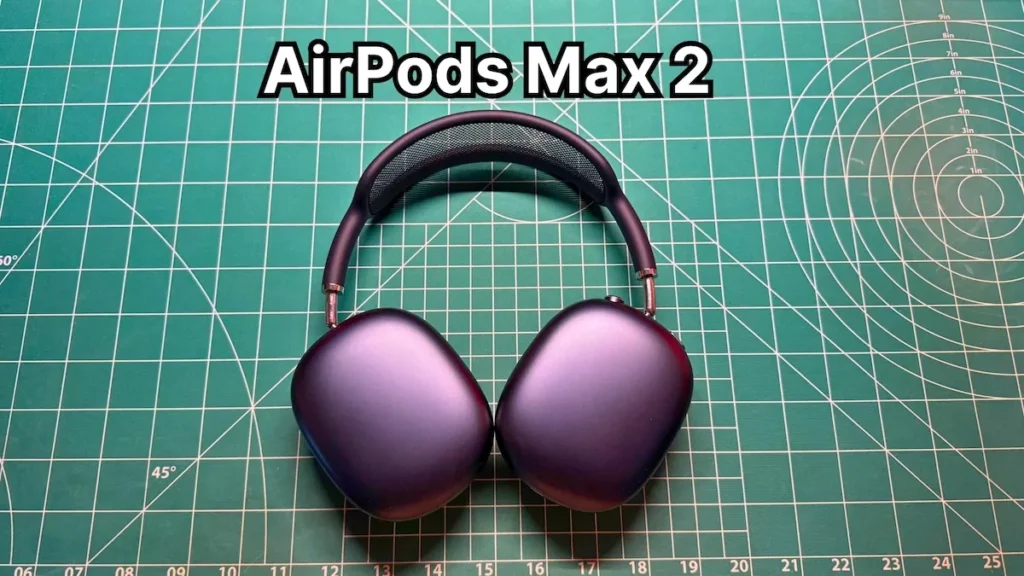
vs Apple AirPods Max 2
The AirPods Max 2 is a newer 2026 release that slightly improved upon the 1st generation’s sound quality due to an upgraded headphone amp.
It offers a very clean-sounding neutral bright sound profile that is not too far from the HDB 630’s tuning, with the Sennheiser being slightly more tonally balanced.
That said, the HDB 630 is in a sound quality tier above the AirPods Max 2, with higher resolution, separation, and superior dynamics.
It doesn’t help that the AirPods Max 2 has no hi-res codec support like the aptX Adaptive and custom parametric EQ in the HDB 630.
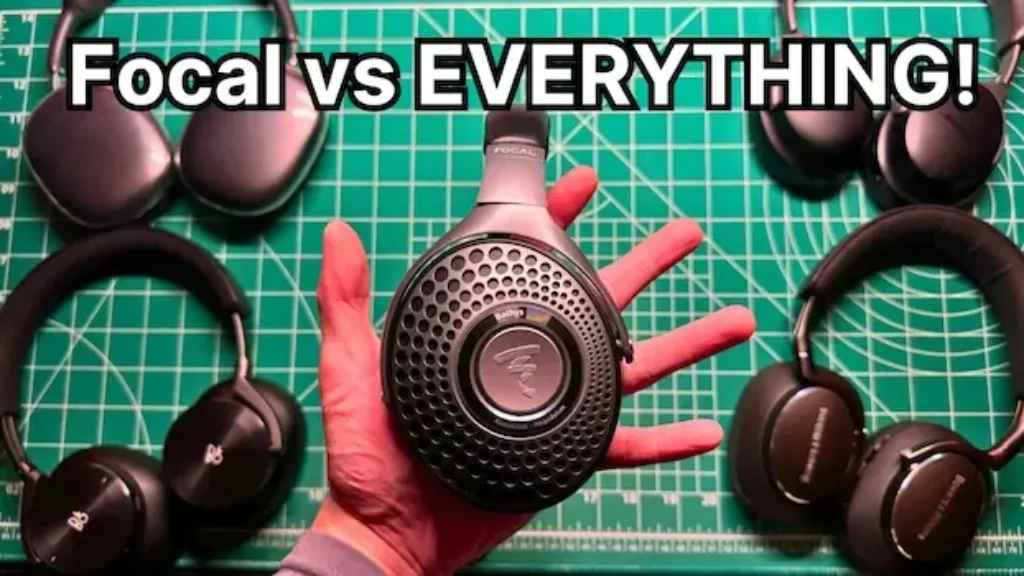
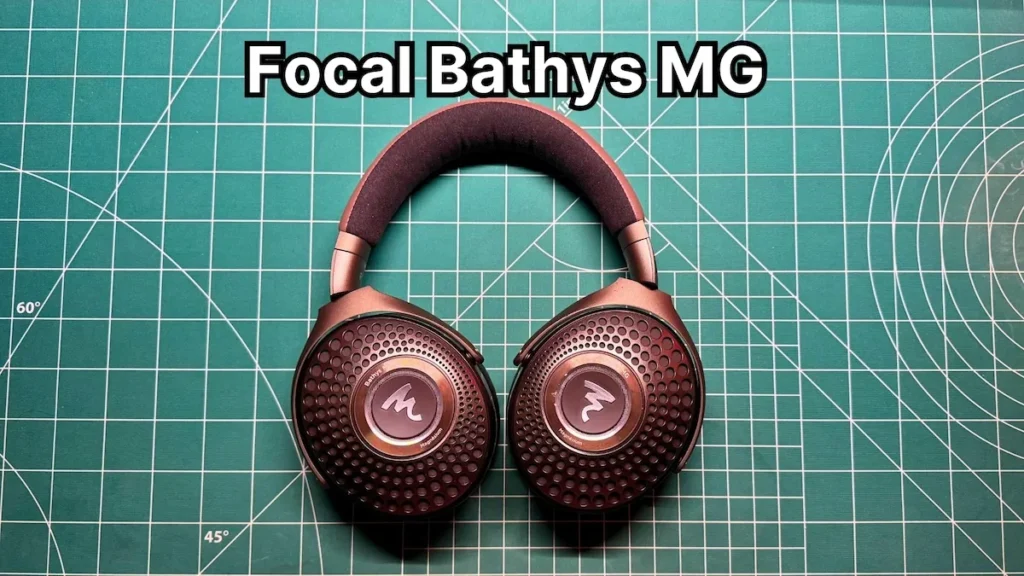
vs Focal Bathys
The Focal Bathys is similar to the Bowers & Wilkins Px8 S2 in the sense that it’s a much more “musical” tuning out of the box, and I honestly prefer it over the “sterile” HDB 630.
That said, the pure sound quality in terms of resolution and dynamics is superior on the HDB 630, with much better sub-bass and ability to scale at volume.
The soundstage is excellent on both the Bathys and HDB 630, sounding quite open and wide with good separation and imaging for closed-back headphones.
From a pure musical enjoyment level, I think I slightly prefer the Bathys.
But for critical listening, I’m going with HDB 630.
Sound Quality Score: 9.5 out of 10
Comfort
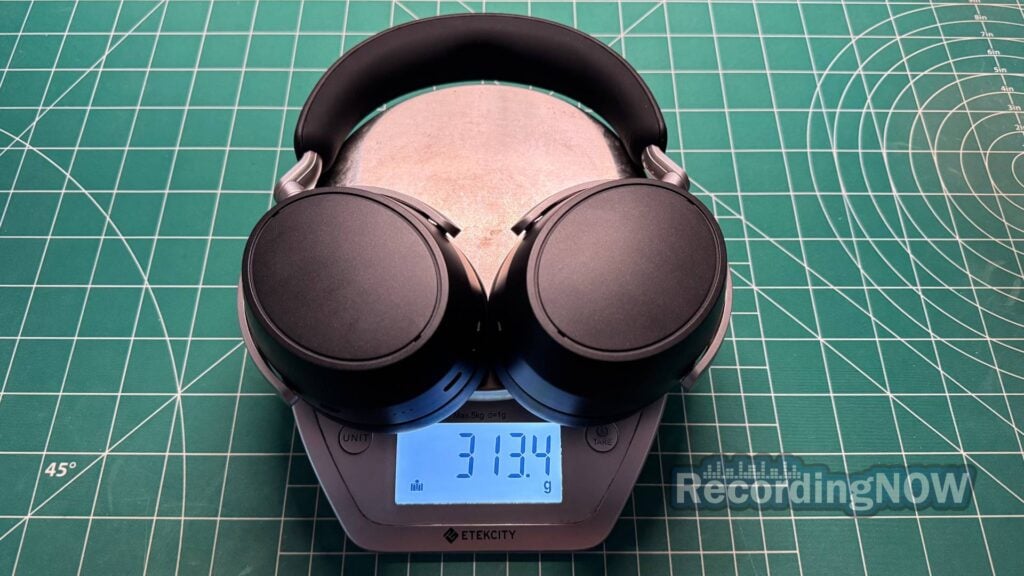
The Sennheiser HDB 630 is one of the heavier headphones we’ve tested:
- Bose QuietComfort (2023 model) – 236.1 grams
- Sony WH 1000XM5 – 245.9 grams
- Sony WH 1000XM4 – 251.6 grams
- Bose QuietComfort Ultra (1st gen) – 254.4 grams
- Bose QuietComfort Ultra (2nd gen) – 262.2 grams
- Beats Studio Pro – 268.6 grams
- Sennheiser Momentum 5 – 288.8 grams
- Sennheiser Momentum 4 – 292.9 grams
- Bowers and Wilkins Px7 S2e – 305.2 grams
- Bowers & Wilkins Px8 S2 – 312.0 grams
- Sennheiser HDB 630 – 313.4 grams
- Sonos Ace – 318.1 grams
- Bowers & Wilkins Px8 – 320.1 grams
- Bang & Olufsen H95 – 323 grams
- Focal Bathys – 350 grams
- Apple AirPods Max – 387.8 grams
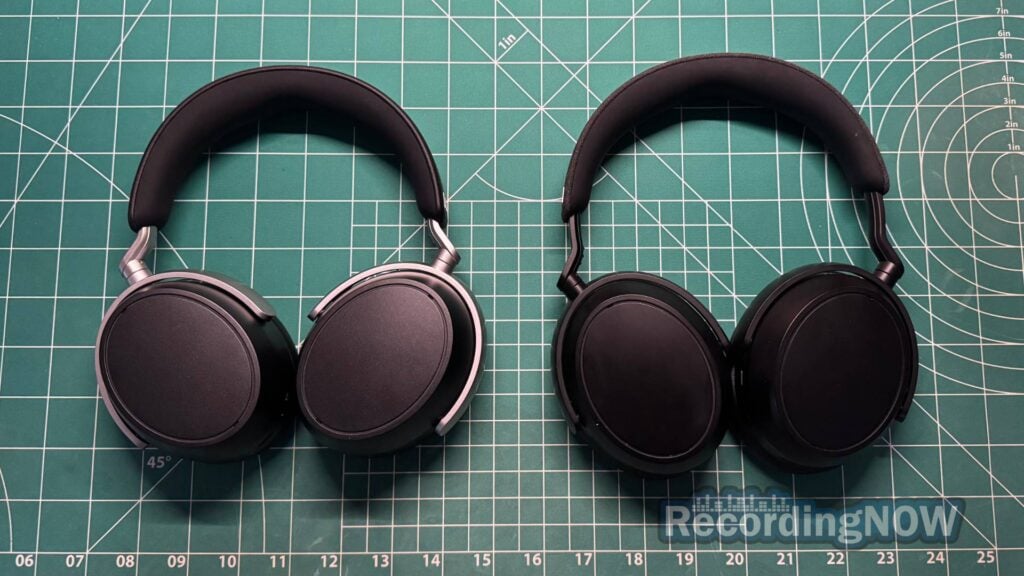
The design of the HDB 630 is very similar to the Momentum 4, aside from having larger earcups in terms of being slightly deeper.
That said, the comfort has actually been slightly improved, with the headband feeling slightly more supportive, and the earpad cushions being more plush with a better quality leather.
Most importantly, the clamping force from the factory was much lesser on the HDB 630 than my Momentum 4.
Overall, this is a very comfy headphone, but a tad on the heavier/bulky side compared to something like the Bose QC Ultra 2nd Gen or Sony XM6.
Still lighter than the AirPods Max, however!
Comfort Score: 8.5 out of 10
Features / Battery Life / Build Quality / Practicality
Features
The Sennheiser HDB 630 was released in October 2025 and has the typical modern wireless ANC headphone features:
- BTD 700 USB-C Dongle included ($60 accessory for higher codec support and better sound quality)
- Bluetooth 5.2 with aptX Adaptive
- Lossless Audio via wired USB-C cable
- “Crossfeed” feature for simulating speaker system / more spatial effect
- Multiple built-in microphones for taking calls
- Active Noise Cancelling
- Transparency Mode
- Companion Smartphone app to customize EQ, settings, and update firmware
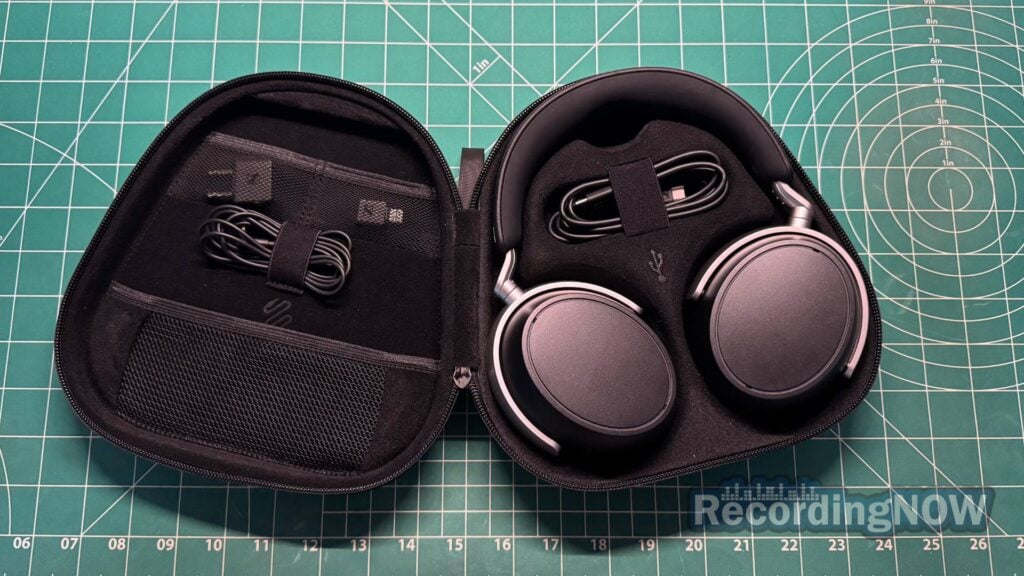
- Includes a large-sized premium Hard Shell case
Sennheiser HDB 630 Battery Life
The Sennheiser HDB 630 has 60 hours of battery life on a single charge, same as the Momentum 4.
- Marshall Monitor III – 70 hours (ANC on), 100 hours (ANC off)
- Cambridge Audio Melomania P100 SE – 60 hours (ANC on), 100 hours (ANC off)
- Audeze Maxwell – 80 hours (no ANC included)
- Sennheiser HDB 630 – 60 hours (ANC on)
- Sennheiser Momentum 4 – 60 hours (ANC on)
- Sennheiser Momentum 5 – 57 hours (ANC on)
- Sony WH-1000XM6 – 40 hours (ANC off), 30 hours (ANC on)
- Bose QuietComfort Ultra (2nd Gen) – 30 hours
- Sony WH-1000XM5 and WH-1000XM4 – 30 hours
- Bowers & Wilkins Px7 S3 and Px8 – 30 hours
- Sonos Ace – 30 hours
- Bose QuietComfort Ultra (1st Gen) – 24 hours
- AirPods Max – 20 hours
In my testing, I found this figure to be accurate.
60 hours is one of the best battery life ratings for this class, with the average wireless noise cancelling headphone falling in the 30 hour range.
Build Quality
The HDB 630 has little weaknesses, but unfortunately build quality is one that I would’ve liked to see a little bit more out of for the price.
Currently at double the price of the Momentum 4, the nearly-identical design and similar materials leaves me a bit disappointed.
At the least I would’ve liked to see metal used in the hinges, but it’s still the plastic used on the Momentum 4, just painted silver to look like metal.
Overall, the HDB 630 doesn’t feel cheap, but it doesn’t feel very premium either.
Practicality
The HDB 630 is mostly a decent daily driver thanks to its 60-hour battery life, decent comfort, and premium hardshell case.
It is just a tad on the bulkier side than the newer Momentum 5, for example, due to slightly larger earcups and a bigger travel case.
Lastly, there is better active noise cancelling options in the class like the flagships from Sony, Apple, and Bose.
Features / Battery Life / Build Quality / Practicality Score: 9.5 out of 10
Sennheiser HDB 630 Noise Cancelling Performance
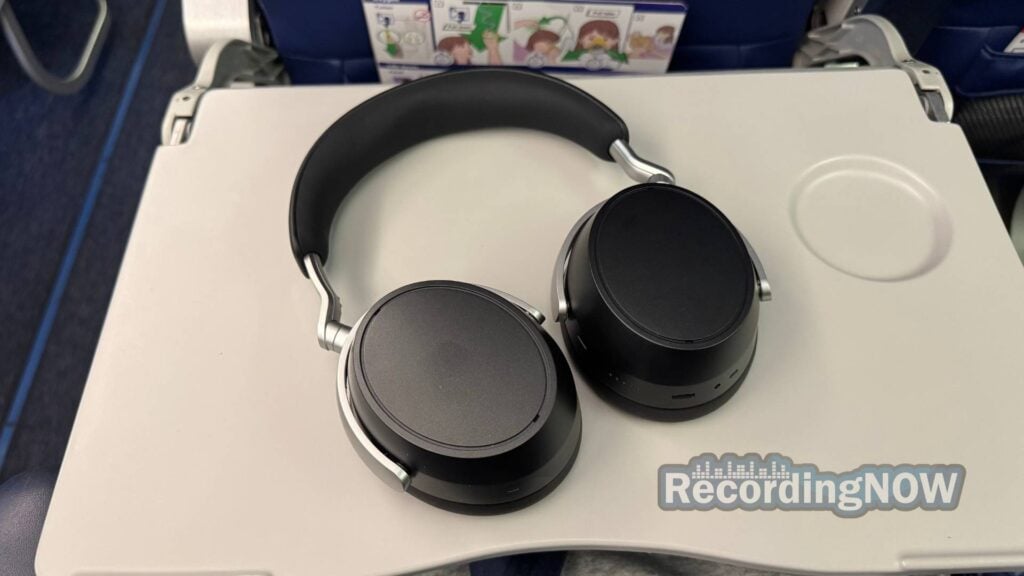
Noise cancelling is one of the main gripes with the Momentum 4, so I was personally curious to hear if Sennheiser improved it on the HDB 630.
I even brought the HDB 630 with me on a recent flight, to test its noise cancelling performance out in the real world.
Unfortunately for some, I found the ANC to not have been much improved over the Momentum 4.
Now, I am actually one of the “defenders” of the Momentum 4/HDB 630’s noise cancelling in that, I find it completely serviceable, even on flights.
But if the best available noise cancelling is a priority for you, I suggest you look at options like the AirPods Max, Sony XM6, Bose QC Ultra, or Sonos Ace.
This is one of the few weaknesses of the HDB 630, in my opinion.
Noise Cancelling Score: 8.0 out of 10
Value
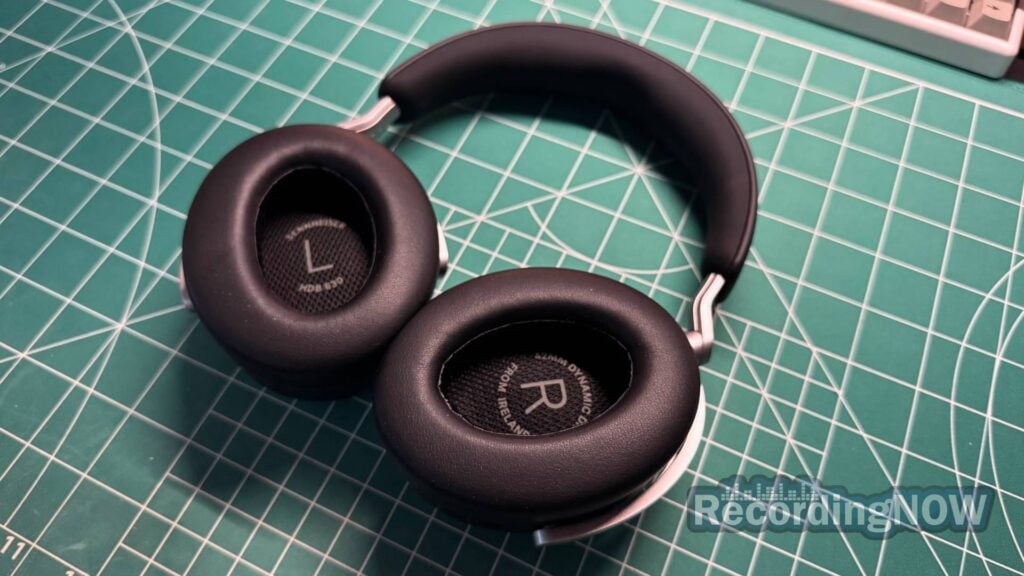
At just under $500 USD retail, the HDB 630 is certainly not cheap, but it is competitively-priced for a flagship wireless noise cancelling headphone.
Although there are slightly better overall packages in this price range, if we factor in the noise cancelling performance and build quality, there isn’t really a direct contender for this level of sound quality while still being competitive elsewhere.
The sound quality competes with the much more expensive Bowers & Wilkins Px8 S2 at $800.
The Audeze Maxwell is cheaper, but it’s not technically in the same product category, as it is a very heavy gaming headset with no active noise cancelling whatsoever.
So, overall, I find the HDB 630 to be a great value for the unique package it brings to the market.
Also, it includes the $60 BTD 700 dongle for free, further adding to the value equation.
Value Score: 9.5 out of 10
Is the Sennheiser HDB 630 Worth it?
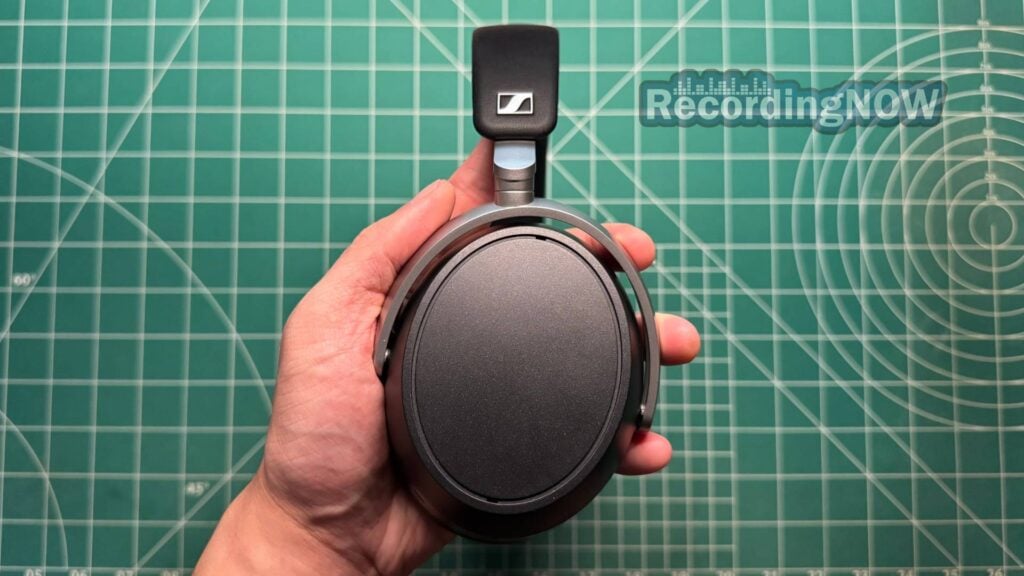
The Sennheiser HDB 630 is absolutely worth it… but for the RIGHT customer.
The strength here is the audiophile-level sound quality with an emphasis on neutral sound signature.
It’s not the most FUN headphone to listen to, but it’s one of the most technically-excellent, albeit a tad boring and bass-light for my personal tastes.
But if that sounds up your alley, and you’re also okay with average noise cancelling performance and build quality, then I highly recommend the HDB 630.
It’s an innovative product with a unique package previously not offered at this price range.
Also, if you’d like to support 100% independent unbiased reviews, consider using my affiliate links to shop and even save money! Thank you.
Some very Strong Alternatives in this class of noise cancelling headphones are:
- Sennheiser Momentum 5
- Sennheiser Momentum 4
- Sony WH-1000XM6
- Apple AirPods Max 2
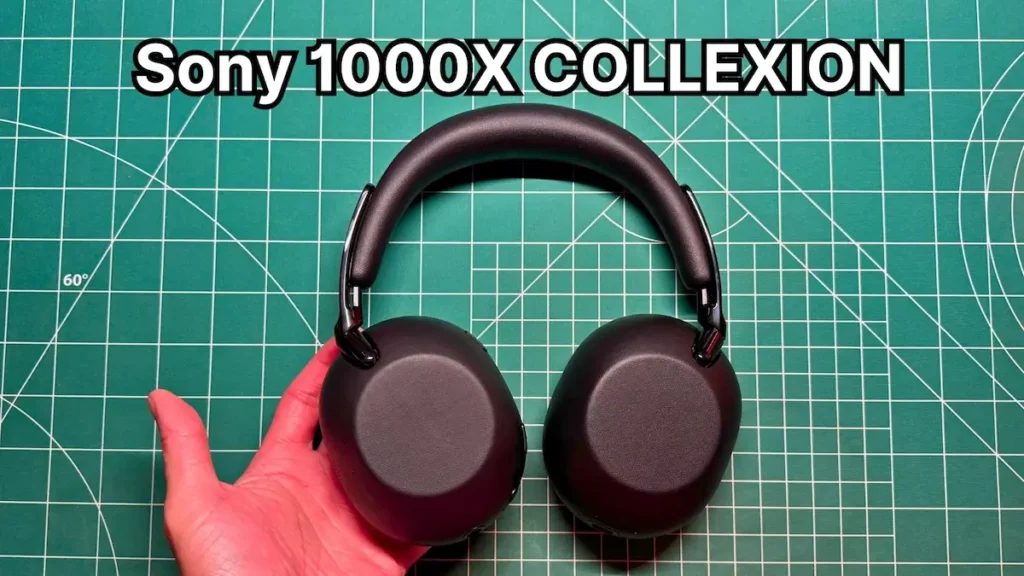
- Sony 1000X THE COLLEXION
- Bose QuietComfort Ultra 2nd Gen
- Bose QuietComfort 2
- Bowers & Wilkins Px8 S2
- Focal Bathys
- Bowers and Wilkins Px7 S3
- Audeze Maxwell
- Apple AirPods Max
- Bose QuietComfort Ultra (1st Gen)
- Sony WH-1000XM5
- Bowers & Wilkins Px7 S2e
- Sonos Ace
- Bose QuietComfort (2023 model)
- Beats Studio Pro
Overall Scoring Breakdown
Sound Quality (50% of score): 9.5 / 10
Comfort (10% of score): 8.5 / 10
Features / Battery Life / Build Quality / Practicality (10% of score): 9.5 / 10
Noise Cancelling (20% of score): 8.0 / 10
Value (10% of score): 9.5 / 10
Overall: 9.10 / 10
Order HERE for the LOWEST PRICE AVAILABLE (Do NOT pay retail):
Disclosure: These affiliate links may provide a discount and in return, give us a commission in order to keep this website 100% independent to ensure honest unfiltered reviews 🙂
How We Tested and Our Methodology
RecordingNOW.com is a 100% independent publisher with over 10 years of experience testing and reviewing consumer electronics and headphones.
We currently purchase all of the products we test with our own money, and are not paid by any company or manufacturer to influence our opinions or decisions.
After purchasing the product, we conduct up to hundreds of hours of detailed hands-on testing in a controlled, acoustically-treated environment. Noise cancelling performance is tested in the real-world, primarily on airplane flights, coffee shops, and walking around large metropolitan city environments.
ODi Productions is our resident expert and author of this article, with 10 years of experience as a professional music producer, tech journalist, and audiophile.
Post Update History
- July 2026: Updated scores to “Version 2.0” of our Headphone Scoring System. Added long-term “6 month review” updates throughout post. Included comparisons to newer models including Sennheiser Momentum 5, AirPods Max 2, and Sony 1000X THE COLLEXION.
- October 2025: Original publication date. Added “V1” and “V2” Equalizer settings.
Read Next
Best Wireless Noise Cancelling Headphones (50+ Tested!)


Bose QuietComfort Ultra 2nd Gen Review
Bowers & Wilkins Px8 S2 Review
Sony 1000X THE COLLEXION Review
Bang & Olufsen Beoplay H100 Review

Bowers and Wilkins Px7 S3 Review